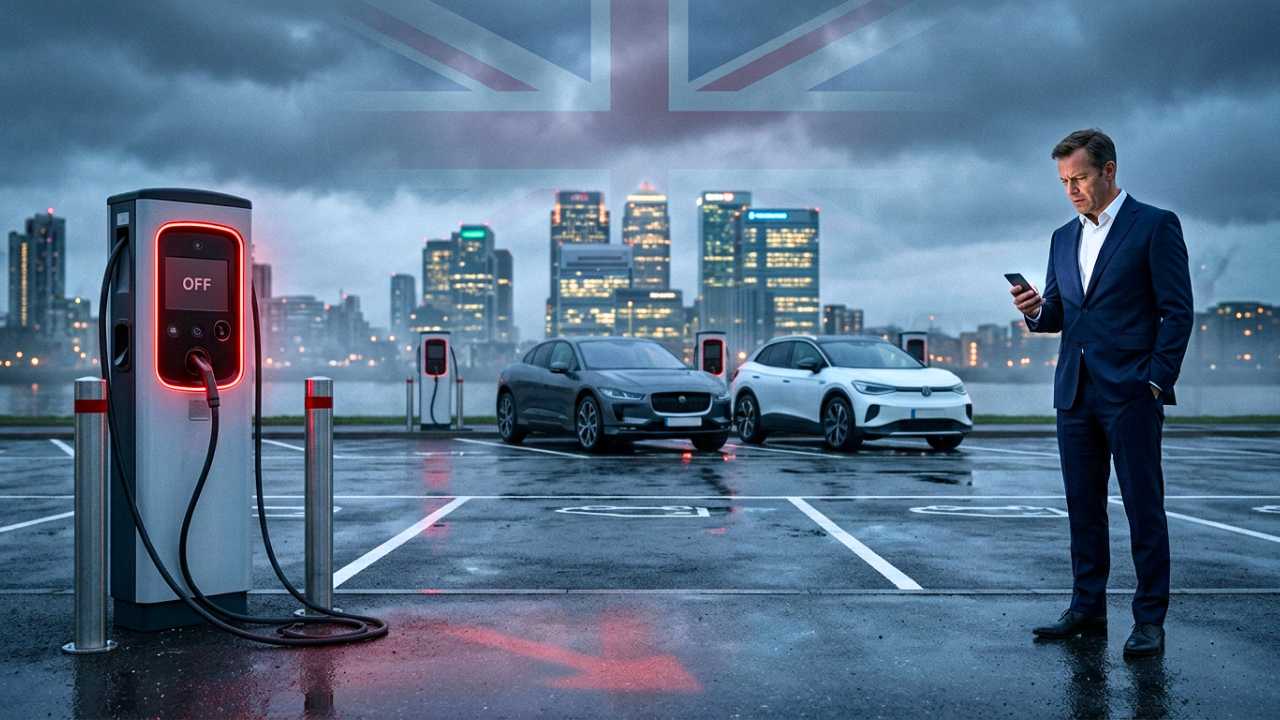
The sudden administration of EO Charging has sent a sharp signal through the UK’s electric vehicle infrastructure sector, raising fresh concerns about market sustainability, investor expectations, and the pace of commercial EV transition. Once positioned as a fast-growing provider of charging solutions for fleets, EO Charging’s collapse highlights deeper structural challenges in a sector often viewed as central to the UK’s net zero ambitions.
A sudden collapse
EO Charging’s entry into administration came abruptly, catching many stakeholders off guard. The company had built a reputation as a specialist provider of electric vehicle charging infrastructure for fleet operators, a niche expected to grow rapidly as businesses transition away from fossil fuel vehicles.
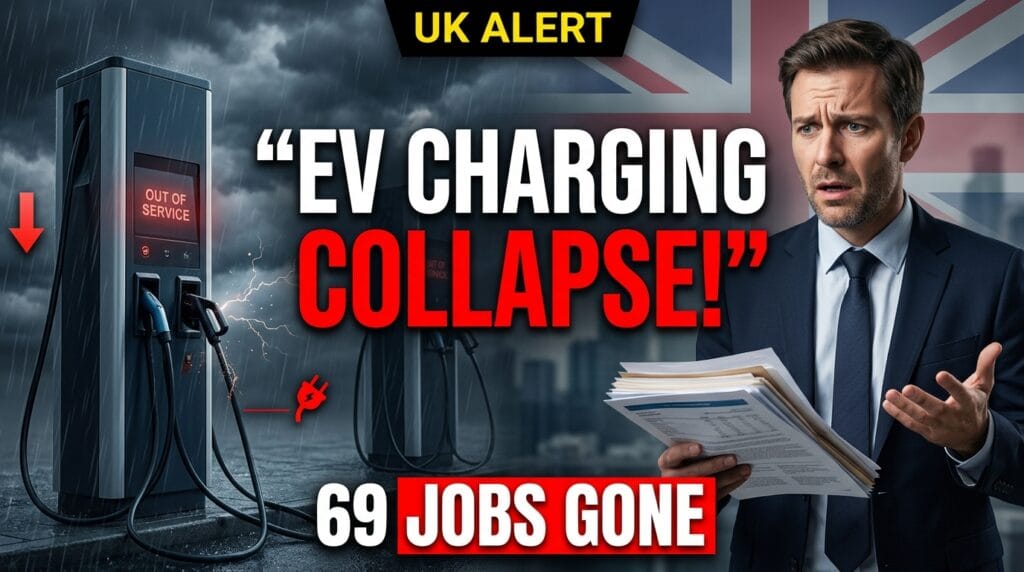
However, mounting financial pressures ultimately forced the company to cease operations, with PwC stepping in as administrator. According to Fleet World’s report on EO Charging’s administration, 69 employees were made redundant immediately, underscoring the severity of the situation.
Financial strain behind the scenes
While demand for EV charging infrastructure continues to grow, profitability in the sector remains elusive for many providers. EO Charging’s collapse reflects a broader issue, where rapid expansion, high capital expenditure, and slower-than-expected returns have strained balance sheets.
Reports indicate that the company faced liquidity challenges, compounded by rising operational costs and tightening investor sentiment. As highlighted in Accountancy Daily’s coverage of PwC’s involvement, the situation deteriorated to the point where administration became the only viable option.
This pattern is not unique to EO Charging. Across the EV ecosystem, companies are grappling with the mismatch between long-term infrastructure investment and short-term revenue generation. The expectation of rapid scaling has often collided with the realities of deployment complexity and customer adoption cycles.
Impact on the UK EV ecosystem
The UK government has consistently emphasised the importance of expanding charging infrastructure to support electric vehicle adoption. EO Charging’s collapse introduces uncertainty into this narrative, particularly within the commercial fleet segment.
Fleet operators, who rely on dependable charging networks, may now reassess their partnerships and investment timelines. Trust in emerging providers could weaken, potentially slowing down procurement decisions and infrastructure rollouts.
Moreover, the loss of a specialised player reduces competition in a market that still requires innovation and cost efficiency. As detailed in Transport and Energy’s industry analysis, the administration raises questions about how resilient smaller or mid-tier providers truly are in a capital-intensive sector.
Investor confidence shaken
Investor sentiment towards EV infrastructure companies has already shown signs of cooling, particularly after an initial wave of optimism. EO Charging’s failure is likely to reinforce caution among investors evaluating similar ventures.
The core challenge lies in the delayed return on investment. Charging infrastructure requires substantial upfront capital, while revenue streams depend on utilisation rates that may take years to stabilise. This creates a funding gap that only well-capitalised firms or those with diversified revenue streams can withstand.
As a result, future funding rounds across the sector may face stricter scrutiny, with investors demanding clearer paths to profitability and more conservative growth projections.
Lessons for the industry
EO Charging’s administration offers several critical lessons for stakeholders across the EV ecosystem. First, scaling infrastructure businesses requires not only demand visibility but also robust financial planning capable of weathering prolonged periods of low returns.
Second, partnerships and contracts with fleet operators must be structured to ensure predictable revenue flows. Without stable income streams, even technically strong companies can struggle to remain viable.
Finally, the case highlights the importance of operational efficiency. As competition intensifies, cost management and execution discipline will become key differentiators in determining which companies survive and which do not.
What lies ahead
Despite this setback, the long-term outlook for EV infrastructure in the UK remains strong. Government policy, regulatory pressure, and corporate sustainability goals continue to drive demand for electric vehicle adoption.
However, the path forward is likely to be more measured. Market consolidation may accelerate, with larger, better-funded players acquiring distressed assets or expanding their market share.
For industry participants, EO Charging’s collapse serves as a reminder that growth alone is not enough. Financial resilience, strategic discipline, and realistic expectations will define success in the next phase of the EV transition.
The UK’s journey towards electrification is far from over, but it is becoming increasingly clear that only the most sustainable business models will endure.
EO Charging – FAQs
What happened to EO Charging?
It entered administration due to financial challenges.
How many staff lost their jobs?
A total of 69 employees were made redundant.
Who is handling the administration?
PwC was appointed as administrator.
Why did EO Charging fail?
High costs and weak returns impacted cash flow.