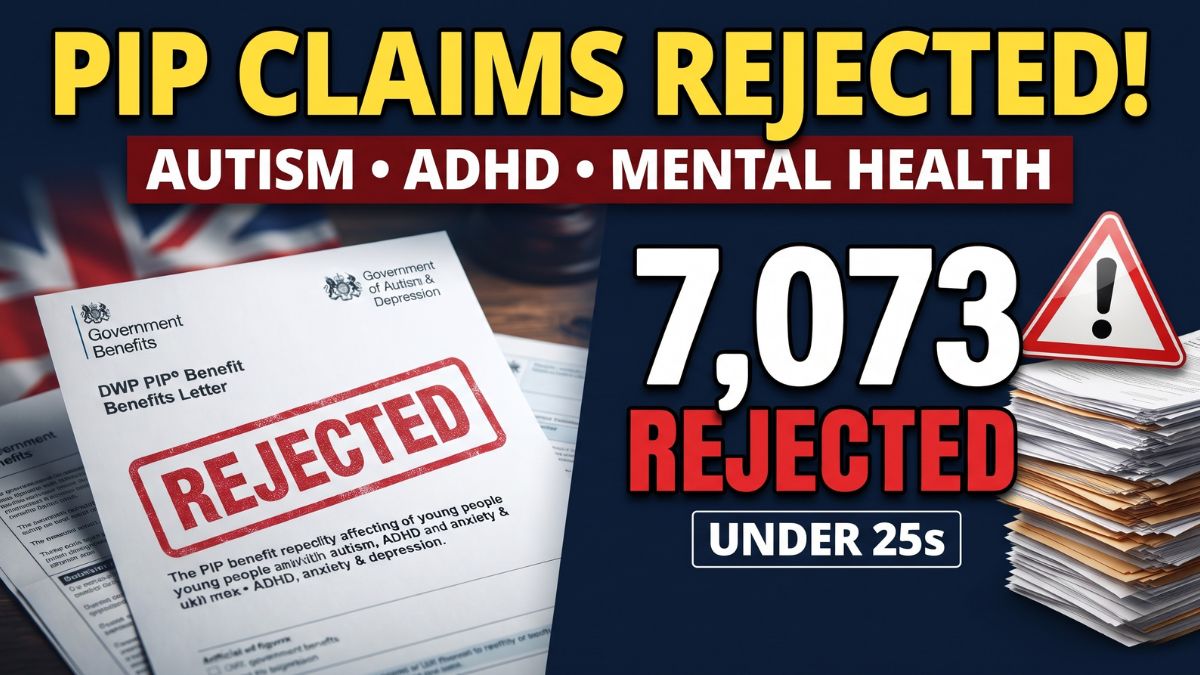
The UK government is conducting a detailed review of Personal Independence Payment (PIP), a benefit that supports people with long-term health conditions or disabilities. As the cost of welfare continues to rise, ministers are considering adjustments to ensure the system remains sustainable while still meeting the needs of claimants.
This article explains the current eligibility rules, how PIP works, and what changes may be introduced in the coming years.
Overview
PIP is a tax-free, non-means-tested benefit for people aged 16 to State Pension age who have difficulties with daily living or mobility due to a physical or mental health condition. It is designed to help with additional living costs and promote independent living.
Unlike Universal Credit, PIP is not based on income or savings. Payments are determined by how a person’s condition affects their ability to perform everyday tasks, not their financial situation.
Review
The Department for Work and Pensions (DWP) has commissioned a review led by Disabilities and Social Security Minister Sir Stephen Timms. This decision follows opposition from Labour MPs and disability advocates to previous proposals that would have tightened eligibility for new claimants.
The review aims to assess whether PIP remains fair, effective, and fit for purpose. It involves disabled individuals, carers, medical professionals, charities, and MPs. However, concerns remain that the review could focus more on reducing costs than improving the system.
Criteria
To qualify for PIP in 2026, a claimant must:
- Be aged 16 or over and under State Pension age
- Have a long-term physical or mental health condition or disability
- Experience difficulties with daily living or mobility that are expected to last at least 12 months
People over State Pension age cannot usually make a new PIP claim and are generally directed to apply for Attendance Allowance instead.
Components
PIP consists of two components, and claimants may receive one or both:
- Daily Living Component – For help with tasks such as preparing meals, washing, dressing, and managing finances
- Mobility Component – For help with moving around or planning and following journeys
Eligibility is assessed through a points system. A healthcare professional evaluates the claimant’s ability to perform various activities. Points are awarded based on the severity of the difficulties.
| Component | Standard Rate (8–11 points) | Enhanced Rate (12+ points) |
|---|---|---|
| Daily Living | £73.90 per week | £110.40 per week |
| Mobility | £29.20 per week | £77.05 per week |
PIP is paid every four weeks and is exempt from tax.
Extras
Claimants who qualify for PIP may also access additional support, including:
- A Blue Badge for parking
- Disabled Persons Railcard
- Vehicle tax exemptions
- Access to the Motability Scheme (for those on the Enhanced Mobility rate)
Motability
The Motability Scheme enables eligible individuals to lease a vehicle, scooter, or powered wheelchair by using their Enhanced Mobility PIP payment. The scheme includes insurance, servicing, and breakdown cover.
Approximately 800,000 people currently use Motability. However, from November 2025, the scheme will no longer offer premium vehicle brands such as Audi, BMW, Mercedes-Benz, Lexus, or Alfa Romeo. Coupe and convertible models will also be removed from the list.
From July 2026, two key tax changes will take effect:
| Change | Current | From July 2026 |
|---|---|---|
| VAT on Advance Payments | Zero-rated | 20% VAT added |
| Insurance Premium Tax (IPT) | Fully exempt | 12% IPT applied |
| IPT for Wheelchair-accessible Vehicles | Exempt | Still exempt |
These changes are expected to increase the overall cost for many new Motability users.
Growth
Since its launch in 2013, the number of PIP claimants has risen significantly. Between late 2024 and late 2025, the number of recipients in England and Wales increased by around 300,000, reaching 3.9 million.
This growth reflects increased recognition of mental health conditions and longer periods of eligibility. Of the total claimants:
- 2.4 million are new applicants
- 1.3 million have transferred from Disability Living Allowance
Reassessments
Most PIP awards are made for a fixed period, typically between 1 and 3 years. After this period, claimants are reassessed to determine whether their condition has changed. Some individuals receive shorter or longer award periods depending on their circumstances.
The current review is examining whether reassessments could be improved. This includes evaluating:
- Whether the current scoring system reflects real-life challenges
- The role of medical evidence in assessments
- How to make reassessments more accurate and less stressful
- Whether assessment intervals should be extended
Changes
While the review is ongoing, potential reforms being considered include:
- Revising how activities are described and scored
- Changing how medical and supporting evidence is used
- Reducing the frequency of reassessments for long-term conditions
- Improving assessor training and transparency
- Enhancing links between PIP and wider support services
Any major changes to the system would likely require legislation and would not be implemented until 2027 or later.
Claimants are encouraged to stay informed as further announcements are expected following the conclusion of the review.
FAQs
Who can apply for PIP in 2026?
Anyone aged 16 to State Pension age with a long-term disability.
How often is PIP paid?
PIP is paid every four weeks directly to your bank.
Is PIP affected by savings or income?
No, PIP is not means-tested.
Can you get both components of PIP?
Yes, if your condition affects daily living and mobility.