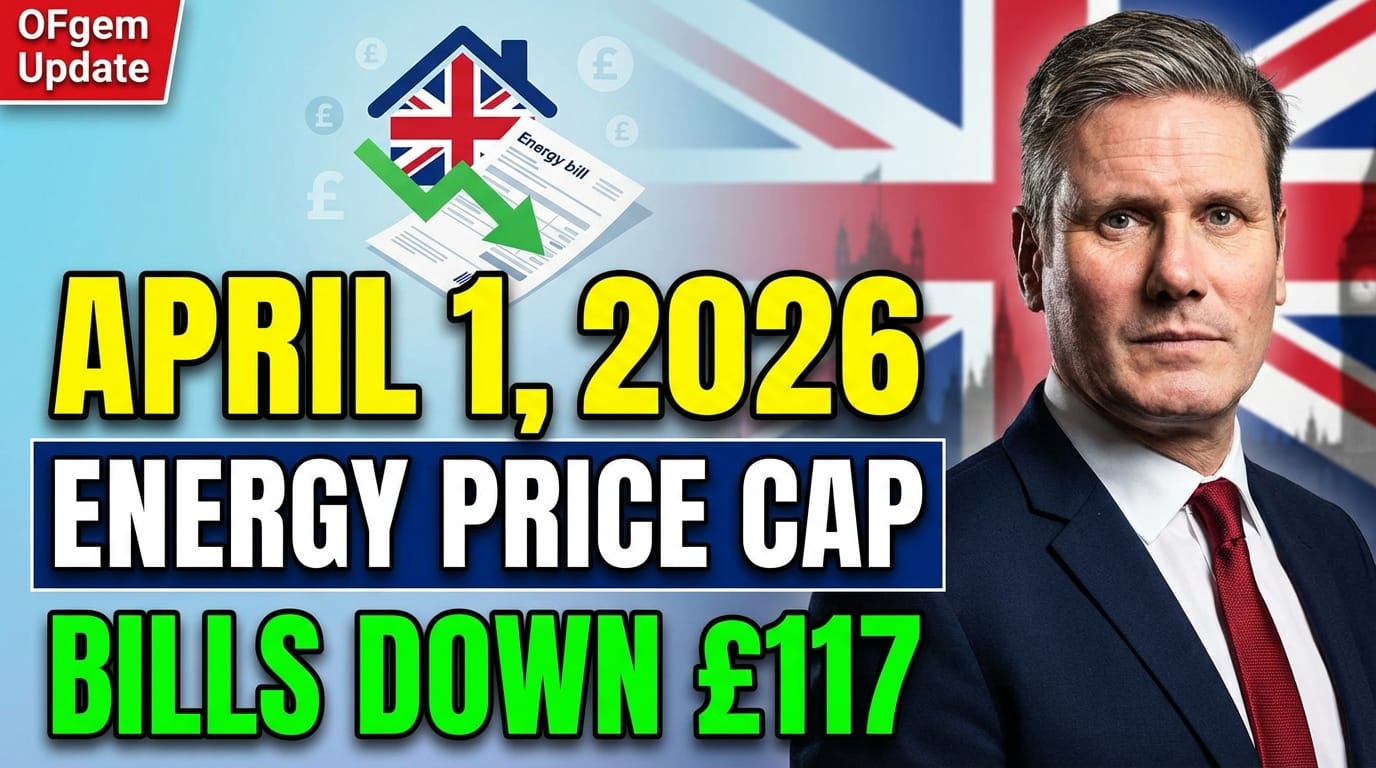
Ofgem has confirmed when its latest energy price cap adjustment will take effect in 2026. The new cap will apply from April 1 to June 30, 2026, bringing lower costs for many households across Great Britain.
The regulator announced that typical dual-fuel households paying by Direct Debit will see their annual energy bill fall by £117, or around 7%. That equates to an average saving of about £10 per month during the three-month period.
Date
The revised energy price cap comes into force on April 1, 2026. It will remain in place until June 30, 2026, when Ofgem conducts its next quarterly review.
The energy price cap is updated every three months to reflect changes in wholesale energy prices and other cost components. This quarterly adjustment system aims to ensure bills reflect current market conditions while maintaining consumer protection.
Savings
Under the new cap, a typical household using electricity and gas and paying by Direct Debit will face annual costs of around £1,641.
This represents:
| Comparison Period | Annual Typical Bill | Difference |
|---|---|---|
| April–June 2025 | £1,849 | — |
| April–June 2026 | £1,641 | £208 lower |
The £1,641 figure is £208 less than the same period in 2025. Ofgem attributes the latest reduction primarily to falling wholesale energy prices and changes to policy costs announced in the Chancellor’s Budget.
Reasons
Tim Jarvis, Director General for Markets at Ofgem, said the reduction is largely driven by lower wholesale prices and updated government policy costs.
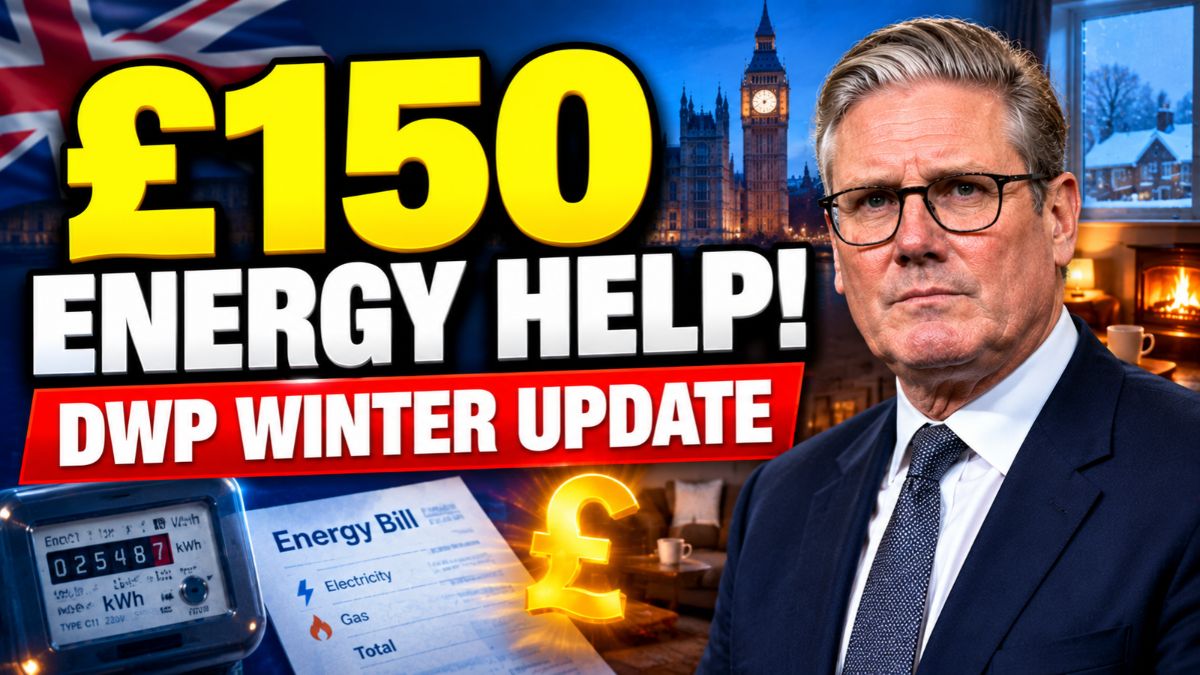
In the Autumn Budget, the government committed to cutting household energy costs by around £150 on average from April. This includes ending the Energy Company Obligation, which had been funded through consumer bills, and covering 75% of the domestic cost of the legacy Renewables Obligation for three years.
The government also confirmed the extension of the £150 Warm Home Discount to an additional three million low-income households.
These combined measures have contributed to the downward adjustment in the price cap.
Scope
Ofgem’s price cap does not limit total household bills. Instead, it sets the maximum amount suppliers can charge per unit of gas and electricity, along with the standing charge for customers on standard variable tariffs.
The cap typically applies to households on default tariffs, including those who pay by:
- Direct Debit
- Standard credit
- Prepayment meter
- Economy 7 meter
However, the exact amount each household pays will vary depending on energy usage, geographic location, meter type, and payment method.
Ofgem states clearly that the final bill depends on how much energy a household consumes. Higher usage will result in higher overall costs, even under the capped rates.
Competition
The regulator also highlighted increased consumer engagement in the energy market. Switching between suppliers has risen by nearly 20% year on year.
More households are choosing time-of-use tariffs, which offer lower rates during off-peak hours. Suppliers are also expanding their product ranges, including tariffs with discounted rates in the evenings or at weekends.
Ofgem emphasised that the price cap is intended as a safety net, not necessarily the cheapest option available. According to the regulator, consumers on fixed deals paid around £115 less than the cap on average last year.
Households are encouraged to review their tariff and speak to their supplier to explore alternative plans that could reduce their bills further.
Support
For customers struggling to pay, energy suppliers are required to offer support. This may include repayment plans or emergency credit arrangements.
Official guidance from Ofgem advises households to contact their supplier as early as possible if they experience payment difficulties. Assistance options are available, particularly for vulnerable customers.
Outlook
The April 1, 2026 adjustment reflects a combination of falling wholesale prices and government intervention aimed at easing cost-of-living pressures.
While the reduction offers some relief, energy prices remain sensitive to global market conditions. Future changes to the cap will depend on wholesale trends, network investment costs, and policy adjustments.
For now, households on standard variable tariffs can expect the new cap rates to take effect from April 1, 2026, with average annual costs for typical dual-fuel users set at £1,641 for the quarter ending June 30, 2026.