Millions of people across the UK are holding savings that are steadily losing value, according to new research that highlights how widespread low-interest accounts remain despite years of rising base rates.
Analysis from savings platform Spring shows that around 51.3 million adult savings accounts are currently paying interest well below the rate of inflation. In total, £338 billion is sitting in accounts offering returns of 1.5 percent or less, leaving many households with cash that is not keeping pace with rising prices.
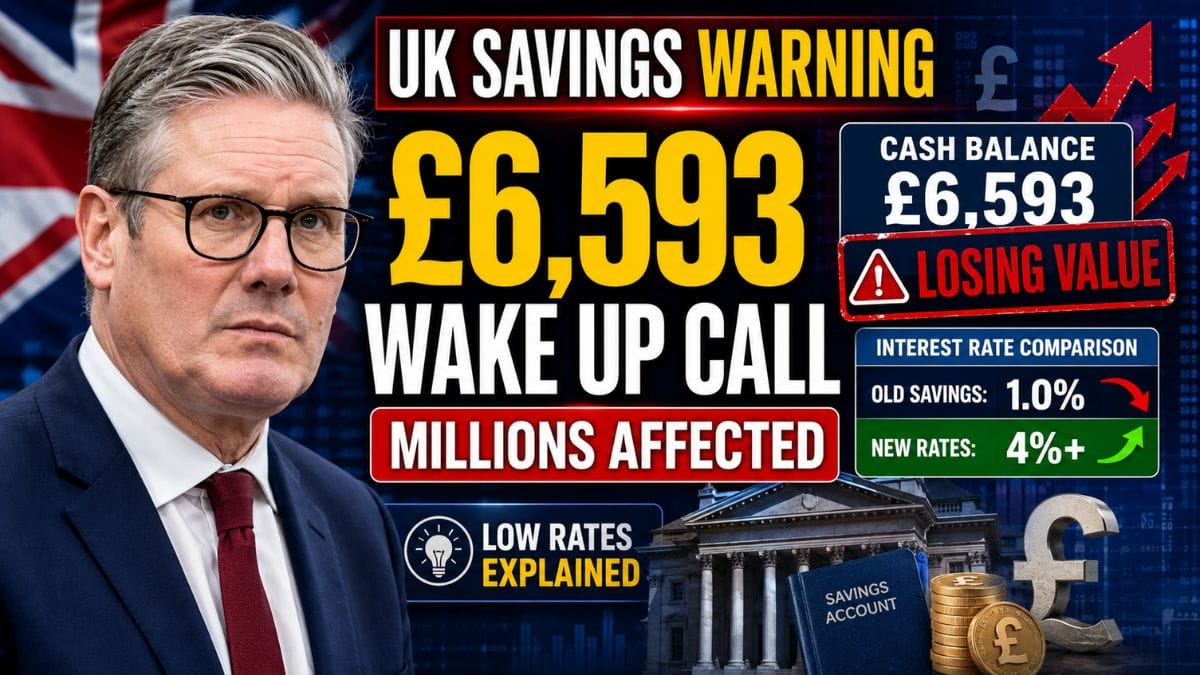
The data suggests this is not limited to small balances. The typical amount held in these low-paying accounts is £6,593, based on CACI savings data from March 2026. For many savers, that figure represents money set aside for emergencies, future purchases, or long-term security.
Scale
The scale of underperforming savings is significant. Of the £338 billion identified, £284 billion is held in accounts with balances above £10,000. This indicates that a large share of savers with substantial cash reserves are earning minimal returns.
The research also found more than 372,000 individual savings accounts with balances exceeding £100,000 that are paying interest of 1.5 percent or less. Combined, these high-balance, low-rate accounts hold £73.7 billion.
Across all accounts earning below 1.5 percent, the average interest rate is just 1.03 percent. For balances above £10,000, the average rises only slightly to 1.05 percent.
Inflation
The issue is magnified by inflation, which continues to outpace many older easy-access savings products. When interest rates lag behind inflation, the real value of savings declines over time, even if the balance remains unchanged.
For savers who have not reviewed their accounts in several years, this erosion of spending power can go unnoticed. What appears to be a safe and stable balance may, in practical terms, be worth less each year.
This gap between inflation and savings rates has become more pronounced as newer products have adjusted to higher Bank of England base rates, while many legacy accounts have not.
Rates
Financial institutions have faced increasing scrutiny over the rates they offer existing customers. While new easy-access savings accounts frequently advertise rates above 4 percent, older accounts often remain on much lower rates unless customers actively switch.
The result is a growing divide between savers who regularly review their options and those who leave money where it has always been. In some cases, the difference in annual interest on a balance of £10,000 can amount to several hundred pounds.
Spring argues that convenience is no longer a valid reason for accepting low rates. Many modern savings products now offer instant access and flexible transfers while paying significantly higher interest.
Comment
Derek Sprawling, Head of Money at Spring, said the findings highlight how much money is effectively sitting idle.
He said the fact that £338 billion is earning an average of just over 1 percent shows how many savers are missing out. According to Sprawling, most of this money is held in accounts with balances above £10,000, including some with far larger sums that earn very little.
He added that savers may believe low rates are the price paid for instant access to cash, but that this is no longer necessarily true given the range of products now available.
Options
Spring says its own app currently offers an interest rate of 4.30 percent and uses Open Banking technology to link directly to customers’ current accounts. This setup allows for immediate transfers without withdrawal penalties or restrictions. The savings are held with Paragon Bank, which reports overseeing around £16 billion in customer deposits.
More broadly, the market now includes a wide range of easy-access and notice accounts that offer rates well above those paid by many older products. However, these options often require savers to take action, such as opening a new account or moving funds.
For cautious savers, checking whether an account is protected by the Financial Services Compensation Scheme remains an important step before switching.
Review
The research serves as a reminder that savings accounts benefit from periodic review, particularly during periods of changing interest rates. Even small differences in interest can have a noticeable impact over time, especially for higher balances.
While not every saver will want to move funds frequently, understanding the rate being paid and how it compares with current market options can help prevent unnecessary losses in real terms.
With inflation still a factor and higher rates widely available, the decision to stay in a low-paying account increasingly becomes an active choice rather than an unavoidable one.
FAQs
How much money is held in low-interest UK savings accounts?
About £338 billion earns 1.5% interest or less.
What is the typical balance in these accounts?
Around £6,593 on average.
Why are low rates a problem during inflation?
They reduce the real value of savings over time.
Are higher easy-access savings rates available?
Yes, many accounts now offer rates above 4%.