Rising prices continue to strain household budgets across the United States. For many Americans, everyday expenses such as groceries, fuel, and healthcare have become harder to manage. Recent surveys reflect this pressure, with a large majority reporting that their income is not keeping pace with inflation, and more than half indicating they are living paycheck to paycheck.
While federal stimulus payments have not returned since 2021, several state governments have introduced targeted relief programs. These initiatives aim to ease financial pressure through one-time payments, tax rebates, or utility credits. Knowing who qualifies and how these programs work can help households plan their finances more effectively.
Inflation has remained a persistent concern since the pandemic period. Although federal stimulus programs once provided broad support, those payments ended several years ago. The American Rescue Plan marked the final major round, distributing substantial funds to households nationwide.
Since then, responsibility for direct financial relief has largely shifted to individual states. This has resulted in a patchwork of programs, each with its own eligibility criteria and benefit structure.
Newyork
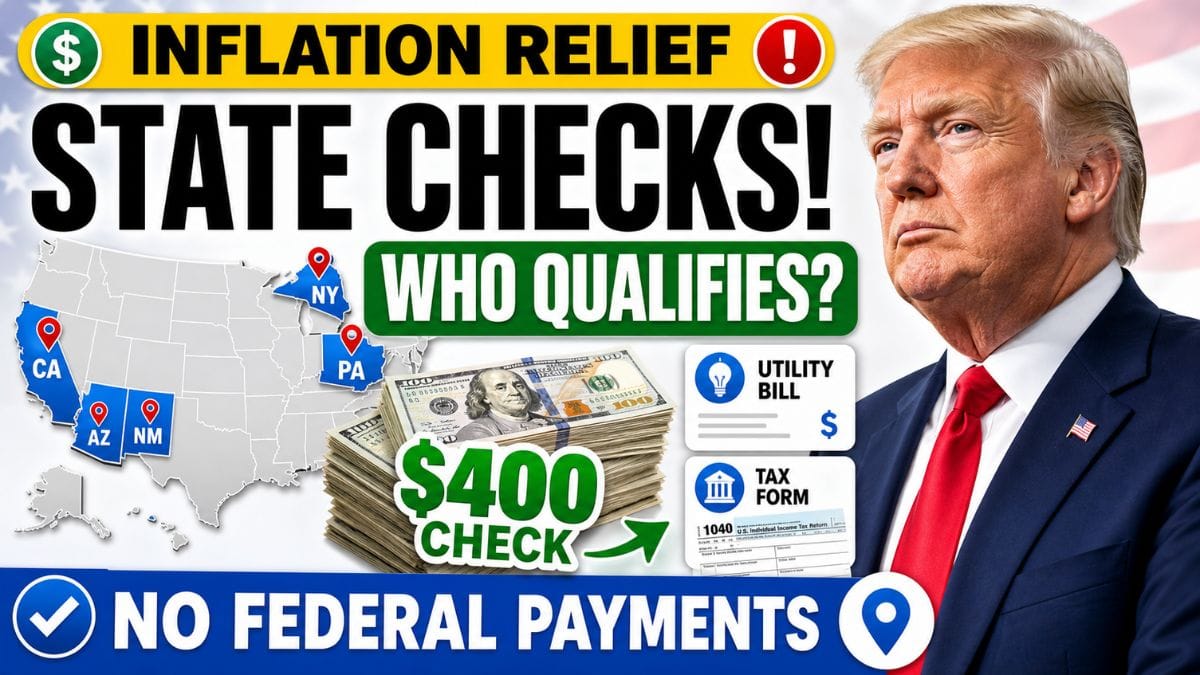
New York has introduced one of the more prominent relief efforts in 2026. The state plans to distribute one-time inflation relief checks to approximately 8 million households.
Payment amounts vary based on income and filing status. Single filers earning $75,000 or less may receive up to $200. Married couples filing jointly with incomes up to $150,000 may qualify for payments of up to $400. Eligibility is determined using 2023 tax return data.
The goal of this program is to provide targeted assistance to middle- and lower-income households, which are often more sensitive to rising costs.
Otherstates
New York is not alone in offering financial relief. Several states have implemented their own programs, each designed to address local economic conditions.
A comparison of selected state programs is outlined below:
| State | Program Type | Benefit Range |
|---|---|---|
| California | Climate Credit | $35 – $259 |
| New Mexico | Tax Rebates | $500 – $1,000 |
| Pennsylvania | Property/Rent Rebates | Up to $1,000 |
| Arizona | Dependent Credits | $100 – $250 per child |
California’s Climate Credit provides utility bill reductions to eligible residents, helping offset energy costs. New Mexico issued direct rebate payments earlier in the year, while Pennsylvania targeted homeowners and renters with limited incomes. Arizona’s program focused on families, offering credits based on dependents.
These programs vary not only in size but also in delivery method. Some provide direct payments, while others reduce expenses indirectly through credits.
Federal
At the federal level, there are currently no approved plans for additional stimulus checks. Proposed measures, such as the American Worker Rebate Act, have not been enacted.
However, tax policy changes may offer indirect relief. Adjustments to credits and income treatment could result in larger tax refunds for some households. Estimates suggest that many filers could see higher refunds in 2026, although the exact impact will depend on individual circumstances.
It is worth noting that large-scale refunds can have broader economic effects. Increased consumer spending may provide short-term relief but could also contribute to inflationary pressure.
Eligibility
Eligibility for state relief programs typically depends on factors such as income, filing status, and residency. In many cases, prior tax returns are used to determine qualification automatically.
This means that individuals do not always need to apply separately, but they should ensure their tax filings are accurate and up to date. Missing or incorrect information could affect eligibility or delay payments.
For those unsure about their status, reviewing state tax authority websites or consulting a tax professional can provide clarity.
Planning
Receiving a relief check can provide temporary financial flexibility, but how the funds are used matters.
Covering essential expenses is often the first priority. This includes food, healthcare, housing, and utilities. For households with limited savings, building or strengthening an emergency fund can improve financial stability.
Paying down high-interest debt is another practical step. Reducing credit card balances, for example, can lower future financial strain by decreasing interest costs.
For individuals who do not qualify for relief programs, alternative strategies may be necessary. Additional income through part-time or freelance work can help offset rising costs. Reviewing tax filings to ensure all eligible credits and deductions are claimed may also increase refunds.
Outlook
State-level relief programs are likely to remain an important tool for addressing economic challenges in the near term. However, their availability and scale will depend on state budgets and policy decisions.
Households should view these payments as supplemental rather than ongoing support. Building long-term financial resilience through savings, debt management, and informed planning remains essential.
While inflation relief checks can ease immediate pressure, their impact is temporary. Careful use of these funds can help extend their benefits and contribute to greater financial stability over time.
FAQs
Who qualifies for NY relief checks?
Low to middle-income taxpayers based on 2023 returns.
How much is the NY payment?
Between $150 and $400 depending on income.
Are federal stimulus checks coming?
No new federal checks are approved currently.
Do all states offer rebates?
No, programs vary by state policies.