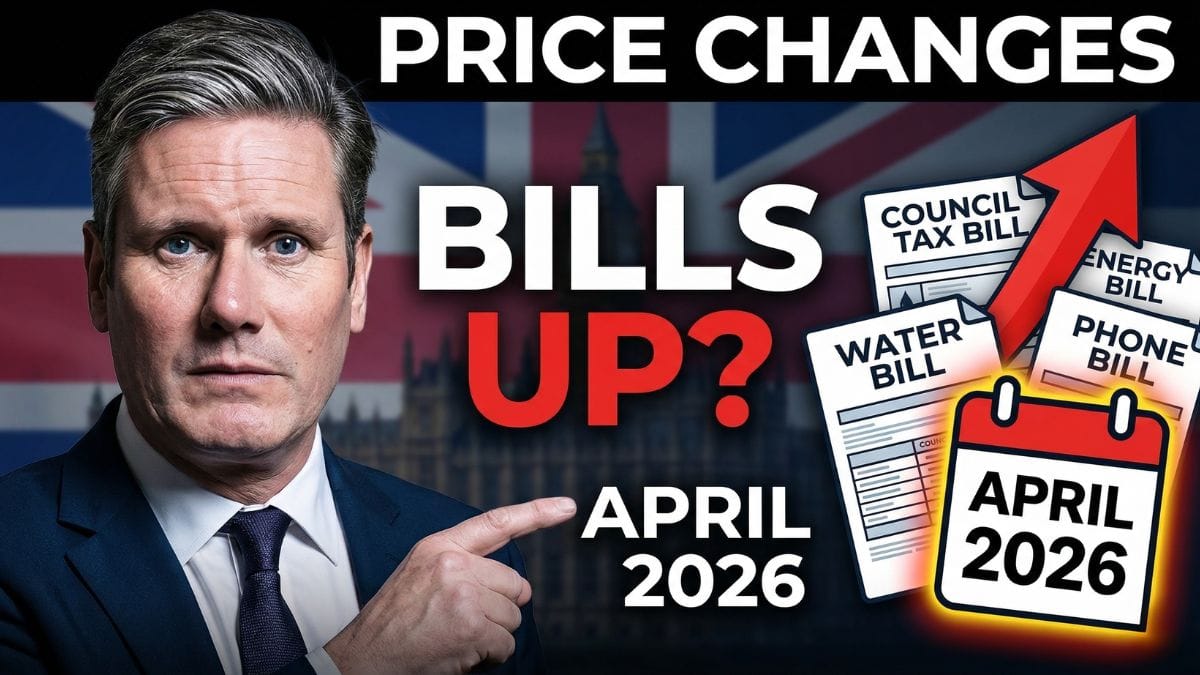
April marks the start of a new financial year in the UK, and with it comes a range of changes to household bills. While some costs are rising, others are easing slightly, creating a mixed financial picture for households. Knowing what is changing and what support is available can help individuals plan ahead and manage their budgets more effectively.
Several essential expenses, including council tax, water, and communication services, are increasing from April 2026. At the same time, energy bills are seeing a temporary reduction, although future increases remain possible.
Consumer guidance from Which? highlights eight key areas where costs are shifting, alongside practical steps households can take to reduce the financial impact.
Council
Council tax is set to rise for most households in England, with many local authorities applying the maximum increase of 4.99 percent. This includes a 2.99 percent rise for general services and a 2 percent adult social care charge.
Some areas are proposing higher increases. For example:
- North Somerset and Shropshire: up to 8.99 percent
- Worcester: around 8.98 percent
Elsewhere in the UK:
- Wales: increases range from 3.75 percent to 5.5 percent
- Scotland: no cap, with generally higher rises
- Northern Ireland: increases between 1.96 percent and 4.5 percent
Support options include discounts such as the 25 percent single-person reduction and schemes for students, low-income households, and people with disabilities. Spreading payments over 12 months instead of 10 can also reduce monthly costs.
Energy
Energy bills are expected to decrease slightly from April 1, 2026. The Ofgem price cap reduction will lower the average annual bill from £1,758 to £1,641, a drop of £117.
However, this relief may be temporary. Rising global gas prices could push bills higher again by July, with projections suggesting a potential increase of around 10 percent.
| Period | Average Bill |
|---|---|
| Before April 2026 | £1,758 |
| From April 2026 | £1,641 |
| সম্ভাব্য July 2026 | ~£1,801 |
Households are advised to compare tariffs carefully rather than switching hastily. Fixed deals may not always offer better value in the current market.
Broadband
Broadband bills will increase for many customers due to mid-contract price adjustments. These increases are typically built into contracts and vary depending on the provider.
Customers who are out of contract may have the option to switch providers without penalties, often securing lower monthly rates. Reviewing current contracts and comparing deals can help reduce costs.
Mobile
Mobile phone bills are also rising, particularly for customers on major networks such as EE, O2, Vodafone, and Three. These increases are usually applied annually within contract terms.
Smaller providers may offer more flexible options, including:
- Monthly rolling SIM-only plans
- Contracts without mid-term price increases
Customers can check their contract status by texting INFO to 85075, which provides details on exit fees and eligibility to switch.
Water
Water bills across England and Wales are increasing by an average of 5.4 percent, bringing the typical annual cost to £639. In Scotland, bills are rising by approximately £42, reaching an average of £532.
| Region | Average Bill |
|---|---|
| England and Wales | £639 |
| Scotland | £532 |
| Southern Water | £759 |
Support is available through social tariffs, which can reduce bills by around 40 percent for eligible households. Installing a water meter or adopting water-saving habits may also help lower costs.
Vehicle
Car tax, or Vehicle Excise Duty, is increasing in line with inflation. The standard annual rate for most vehicles registered after April 2017 will rise from £195 to £200.
Additional charges include:
- £440 annual supplement for cars over £40,000
- Monthly payment option costing £210 annually due to surcharge
Choosing lower-emission or older vehicles may reduce tax costs. Paying annually rather than monthly can also avoid extra charges.
Licence
The TV licence fee will increase from £174.50 to £180 per year. This applies to anyone watching live television or using BBC iPlayer.
Certain groups may qualify for a free licence, including individuals aged 75 or over who receive pension credit. This benefit can cover all residents at the same address.
Post
Postal costs are also rising from April 7, 2026. Key changes include:
- First-class stamp: £1.80 (up by 10p)
- Second-class stamp: 91p (up by 4p)
- Large letter first-class: £3.30
Buying stamps before the increase can help households save, as non-value stamps remain valid after price changes.
Support
While rising costs are challenging, several forms of support are available:
- Council tax discounts and flexible payment plans
- Energy tariff comparisons and government cost adjustments
- Social tariffs for water bills
- Switching options for broadband and mobile services
Taking small steps, such as reviewing contracts, reducing usage, or accessing discounts, can help offset some of the increases.
Overall, April 2026 brings a combination of rising and falling costs across household bills. While some relief is expected in energy prices, increases in other areas may still place pressure on budgets. Staying informed and reviewing available options can help households manage these changes more effectively.
FAQs
Which bills are rising in April 2026?
Council tax, water, broadband, mobile, and more.
Are energy bills going down?
Yes, but only temporarily from April 2026.
Can I reduce council tax?
Yes, discounts like single-person reduction apply.
How can I save on broadband?
Switch providers if you are out of contract.