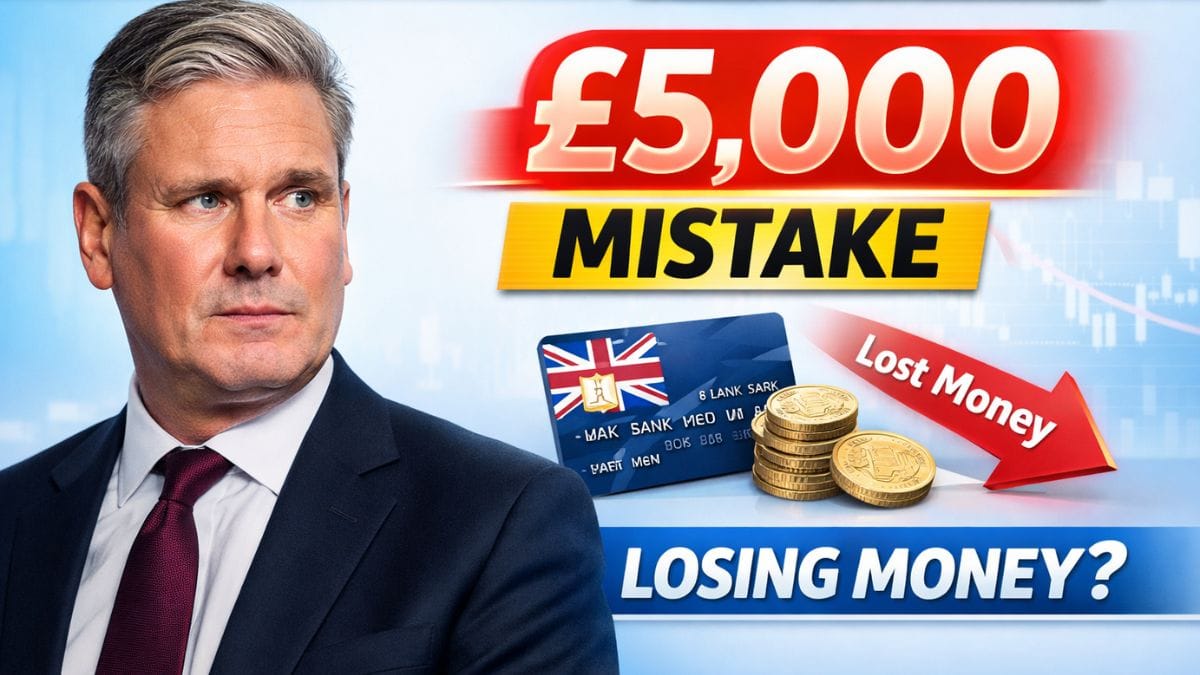
A recent segment on BBC Morning Live has highlighted a common financial habit that could be quietly costing savers money. Consumer finance expert Laura Pomfret warned that leaving significant sums, such as £5,000, in a current account may result in missed opportunities to earn interest, especially during a period of rising living costs.
With inflation pressures linked to global events continuing to affect household budgets, making better use of available cash has become increasingly relevant.
The warning comes at a time when many households are facing higher expenses, particularly due to increases in fuel and food prices. Despite these pressures, research suggests that a substantial portion of the population still holds savings in low-interest or non-interest-bearing current accounts.
According to survey data referenced during the programme, one in six individuals reported keeping more than £5,000 in their current account. Additionally, estimates indicate that around £411 billion is currently sitting idle across UK current accounts.
This trend reflects both convenience and a preference for easy access, but it may not be financially efficient.
Issue
The primary concern with holding large balances in a current account is the lack of meaningful returns. Most current accounts offer little or no interest, meaning that money held there does not grow over time.
In contrast, even modest interest rates in savings accounts can generate incremental gains. While the difference may appear small initially, it can accumulate over time.
For example:
| Amount Saved | Interest Rate | Annual Interest |
|---|---|---|
| £1,000 | 4% | £40 |
| £5,000 | 4% | £200 |
These amounts may help cover everyday expenses such as groceries or utility bills, effectively turning idle funds into a small but useful income stream.
Behaviour
One reason people keep money in current accounts is psychological comfort. Having immediate access to funds can create a sense of financial security.
However, this approach may lead to inefficiencies. While it is important to maintain a buffer for short-term expenses and emergencies, holding excess funds beyond that buffer in a non-interest account may not be optimal.
A more balanced strategy involves separating essential funds from savings that can be set aside to earn interest.
Options
There are several types of savings accounts available, each suited to different financial needs and levels of access.
Easy Access
An easy access savings account allows withdrawals at any time. Interest rates are typically variable, meaning they can change over time.
This option is suitable for individuals who want flexibility and may need access to their funds without restrictions.
Fixed
Fixed rate savings accounts require funds to be locked in for a specific period, usually one to three years. In return, they offer a guaranteed interest rate.
This option may be appropriate for individuals who are confident they will not need immediate access to their savings.
Notice
Notice accounts require advance notice before withdrawals can be made. The notice period can vary, such as 90 or 120 days.
These accounts offer a middle ground between accessibility and potentially higher interest rates.
Regular
Regular savings accounts are designed for consistent monthly contributions, often with limits on how much can be deposited. They may offer relatively higher interest rates compared to other options.
This type of account can help individuals build a saving habit over time.
A comparison of these options is shown below:
| Account Type | Access Level | Interest Type | Suitable For |
|---|---|---|---|
| Easy Access | Immediate | Variable | Flexible savings |
| Fixed Rate | Locked period | Fixed | Long-term planning |
| Notice Account | Delayed access | Variable | Moderate flexibility |
| Regular Saver | Monthly deposits | Higher rates | Habit building |
Strategy
Financial guidance suggests maintaining a clear distinction between spending money and savings. A current account should typically hold funds needed for regular expenses and a short-term buffer.
Any surplus, whether £200 or £5,000, could be transferred into a savings account where it can earn interest. Even small steps can make a difference over time.
Starting with modest amounts and gradually increasing contributions may help individuals adapt without affecting day-to-day financial stability.
Outlook
The broader message from this guidance is not about eliminating liquidity but about improving efficiency. Keeping some money readily accessible remains important, but allocating excess funds more effectively can enhance overall financial outcomes.
In a period where household budgets are under pressure, making small adjustments to how money is managed can provide incremental financial benefits. Over time, these gains may contribute to greater resilience and flexibility.
FAQs
Is it bad to keep £5,000 in bank?
It may lose interest earnings over time.
What is easy access saver?
A flexible account with instant withdrawals.
How much interest can I earn?
Around £200 yearly at 4% on £5,000.
Should I move all my money?
Keep some for expenses, save the rest.