The USDA SNAP retailer rules mark one of the most consequential regulatory updates to the Supplemental Nutrition Assistance Program in recent years, directly reshaping how food access is delivered across the United States. By requiring authorized retailers to carry a broader range of staple and perishable foods, the policy moves beyond basic eligibility and into the structure of the retail environment itself.
This signals a deliberate shift toward aligning federal nutrition assistance with measurable public health outcomes. For retailers, especially small and convenience-based businesses, the changes introduce a new compliance landscape that blends operational challenges with strategic opportunity.
For SNAP beneficiaries, the impact is more immediate and tangible, with improved access to fresh and nutritious food options at the point of purchase. As the rules roll out in phases, the intersection of regulation, retail economics, and consumer behavior will define how effectively this policy achieves its intended transformation.
What the New USDA SNAP retailer rules require
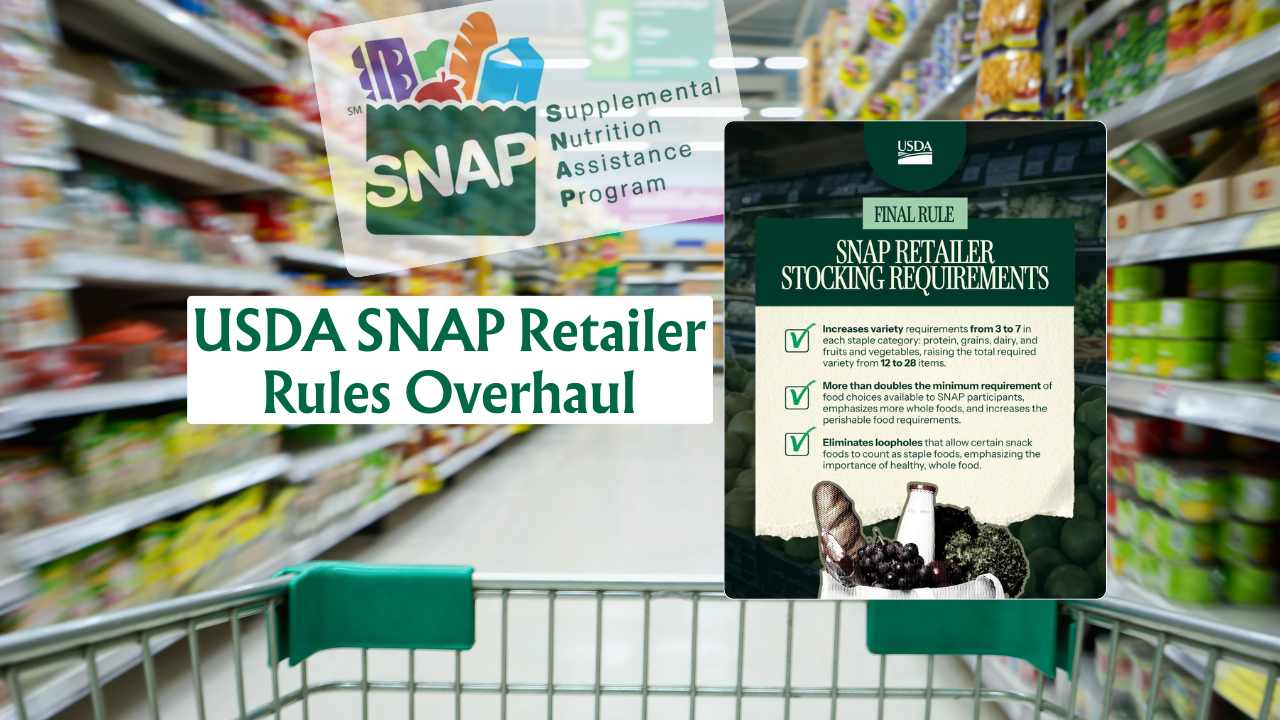
The updated regulations mandate that SNAP authorized retailers significantly expand their inventory of staple foods, including fruits, vegetables, dairy, and protein sources. Previously, many smaller retailers could meet requirements with a limited selection of shelf-stable items. That threshold has now been raised to prioritize real food availability.
According to the USDA official announcement, stores must maintain a consistent stock of perishable items across multiple categories. This ensures that SNAP recipients are not limited to processed or packaged foods when shopping.
The change directly aligns SNAP policy with broader public health goals, particularly in addressing diet-related diseases and improving food equity in underserved communities.
Why the USDA is tightening SNAP retailer standards
The USDA has framed the new SNAP retailer rules as a response to long-standing criticism that the program allows widespread access to low-nutrition foods. While SNAP has been highly effective in reducing food insecurity, policymakers argue that access alone is no longer sufficient.
Health outcomes linked to diet, including obesity and diabetes, have pushed regulators to rethink how benefits are used. By requiring retailers to carry healthier options, the agency aims to influence purchasing behavior without directly restricting consumer choice.
As highlighted in recent coverage on SNAP benefits and restrictions, the program still allows flexibility, but the retail environment is now being reshaped to nudge healthier decisions.
Also Read: 2027 Social Security COLA – Why Next Year’s Increase Remains Uncertain
Impact on small retailers and convenience stores
The most immediate pressure from the USDA SNAP retailer rules will fall on small businesses, particularly convenience stores that have traditionally relied on packaged goods and snacks. These retailers now face higher operational demands, including refrigeration investments, supply chain adjustments, and inventory turnover challenges.
For many independent store owners, maintaining fresh produce and perishable goods introduces new risks, including spoilage and increased labor. Some may choose to exit the SNAP program altogether if compliance costs outweigh benefits.
However, others see opportunity. Expanding into healthier product categories can attract new customer segments and align stores with evolving consumer expectations around nutrition and wellness.
What SNAP beneficiaries can expect
For SNAP recipients, the changes are likely to improve the in-store experience, particularly in areas where access to fresh food has historically been limited. More retailers will be required to carry fruits, vegetables, dairy, and protein options, increasing variety and nutritional value.
Importantly, the rules do not change what SNAP benefits can be used to purchase. Instead, they reshape what is available on store shelves. This distinction preserves consumer autonomy while addressing structural barriers to healthier eating.
In practical terms, beneficiaries may notice better-stocked produce sections and expanded refrigerated offerings, even in smaller neighborhood stores.
Compliance timeline and enforcement approach
The USDA is implementing the SNAP retailer rules through a phased approach, allowing businesses time to adapt. Retailers will undergo periodic reviews to ensure compliance, and failure to meet stocking requirements could result in disqualification from the program.
Regulators are expected to balance enforcement with support, offering guidance and resources to help retailers transition. This includes clarity on eligible food categories and acceptable stocking levels.
The phased rollout reflects an understanding that immediate compliance may not be feasible for all retailers, particularly those operating on thin margins.
Broader economic and policy implications
The new USDA SNAP retailer rules signal a broader shift in how federal assistance programs are structured, moving beyond access toward outcome-driven policy design. This approach could influence future reforms across nutrition assistance, healthcare, and social programs.
For the retail sector, the changes introduce both risk and transformation. Businesses that adapt effectively may benefit from increased foot traffic and stronger alignment with public health initiatives. Those that do not may face declining participation in a program that serves millions of Americans.
Ultimately, the success of these rules will depend on execution. If retailers can sustainably meet requirements and consumers respond positively, the policy could reshape the SNAP ecosystem in a meaningful way.
The USDA is clearly signaling that the future of SNAP is not just about feeding households, but about improving how they eat, a shift with lasting implications for both public health and the retail economy.
FAQs
What are USDA SNAP retailer rules?
They require stores to stock more nutritious foods.
Who is affected by the new SNAP rules?
Small retailers and convenience stores are most impacted.
Do SNAP benefits change under new rules?
No, only retailer stocking requirements change.
Why did USDA update SNAP retailer rules?
To improve access to healthier food options.