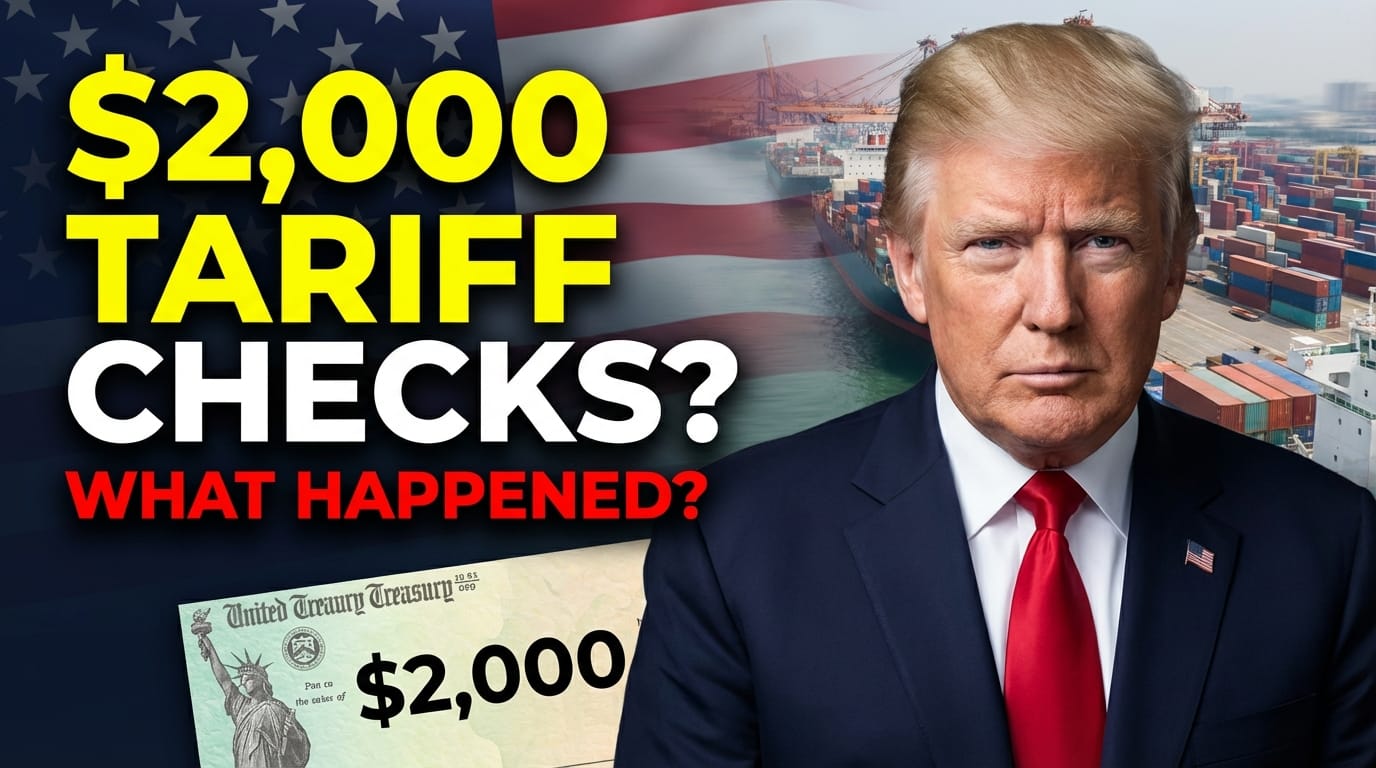
It sounded simple and powerful. Collect money from imports, then send a slice of it straight back to Americans. During the 2024 campaign, Donald Trump framed it as a win-win: tougher trade policy and direct cash relief. Two years later, the idea of $2,000 “Tariff Dividend” checks is still floating around, but with more questions than answers.
So what actually happened to this promise? And should Americans still expect the money? Let’s break it down clearly, without the hype.
Promise
On the campaign trail in 2024, Trump repeatedly said that tariff revenues would fund $2,000 checks for Americans. The framing was deliberate. Instead of borrowing money or raising taxes, the government would use funds collected from foreign companies importing goods into the U.S.
Later, he narrowed eligibility. Only low- and middle-income Americans would qualify. High earners were explicitly excluded. That detail mattered politically. It positioned the plan as targeted relief, not a blanket stimulus.
For many voters dealing with inflation and high living costs, the message landed. It felt like a reward for sticking with an “America First” trade approach.
Timeline
Initially, the timeline sounded optimistic. Trump suggested payments could begin around mid-2026. But fast-forward to early 2026, and the clarity faded.
In a recent interview with The New York Times, Trump appeared unsure when directly questioned. His response, “Did I do that? When did I do that?” sparked confusion and headlines. Was it a joke? A memory slip? Or a sign the plan had stalled?
He later added that the checks were still coming, possibly toward the end of the year. Still, no dates, deadlines, or paperwork were followed. For a promise involving billions of dollars, that vagueness is hard to ignore.
Revenue
The entire proposal hinges on tariff revenue. Trump has claimed that tariffs have brought in “literally trillions of dollars.” That figure has been widely questioned, but there’s no dispute that tariffs do generate government income.
According to Trump’s public statements, tariff money could be used for multiple purposes simultaneously: to support households, provide relief to farmers, reduce the deficit, and increase defense spending.
Here’s how the administration has described those priorities:
| Use of Tariff Revenue | Stated Purpose |
|---|---|
| Stimulus Checks | Expand the defense budget |
| Farmer Aid | $12 billion relief packages |
| Deficit Reduction | Lower national debt |
| Military Spending | Expand defense budget |
Economists point out the tension here. Tariff revenues are real, but finite. Funding all these programs at once, especially nationwide checks, would require sustained, massive collections or congressional approval to reallocate funds.
Confusion
Here’s the core issue: there is no system in place.
- No application portal.
- No IRS guidance.
- No eligibility formula.
- No payment method announced.
Contrast that with past stimulus efforts, which came with clear legislation, deadlines, and instructions. In this case, even supporters struggle to explain how the checks would actually reach people.
When a president sounds uncertain about a major campaign promise, public trust naturally takes a hit. The confusion isn’t just political—it’s practical.
History
There is precedent for using tariff money as relief.
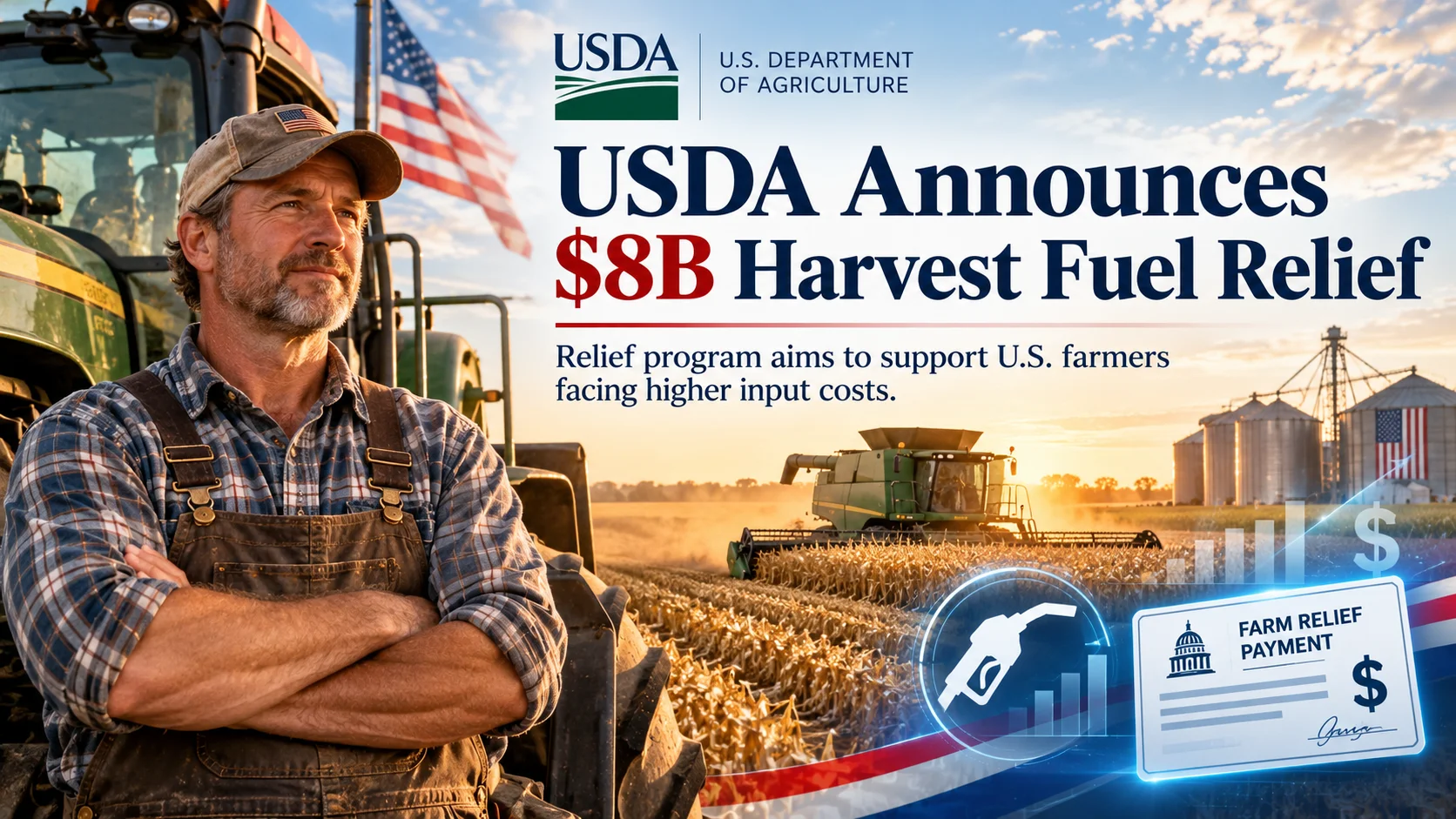
In 2018 and 2019, Trump’s administration approved roughly $12 billion in aid for farmers hurt by retaliatory tariffs. Those payments were real, structured, and executed.
But scale matters. Helping farmers is one thing. Sending $2,000 checks to tens of millions of Americans is another entirely.
At rough estimates, such a program could cost hundreds of billions of dollars. That kind of spending typically requires congressional legislation, budget scoring, and months of planning.
So while history suggests the idea isn’t impossible, it does highlight how big the gap is between concept and execution.
Politics
From a political lens, this situation isn’t unusual. Campaign promises often evolve or quietly fade once elections end and governing begins.
Supporters argue the intention still exists and that delays are normal in large economic plans. Critics see mixed messaging and a lack of commitment.
What’s clear is this: expectations were set publicly. And unmet expectations tend to linger, especially when money is involved.
For now, the $2,000 tariff checks remain more idea than policy. Without legislation, verified funding data, or a delivery framework, Americans are left waiting—and wondering whether “later this year” will ever turn into a check in the mail.
FAQs
Did Trump promise $2,000 checks?
Yes, during the 2024 campaign, he proposed tariff-funded $2,000 checks.
When could the checks arrive?
Trump has suggested late 2026, but no official date exists.
Who would qualify for the checks?
Only low- and middle-income Americans, not high earners.
Is there an application process yet?
No application or IRS guidance has been announced so far.