Many American households have experienced financial pressure in recent years as prices for everyday goods increased. Tariffs on imported products have been cited as one factor contributing to higher costs. In response, a new legislative proposal in Congress seeks to return part of the tariff revenue to taxpayers in the form of rebate checks.
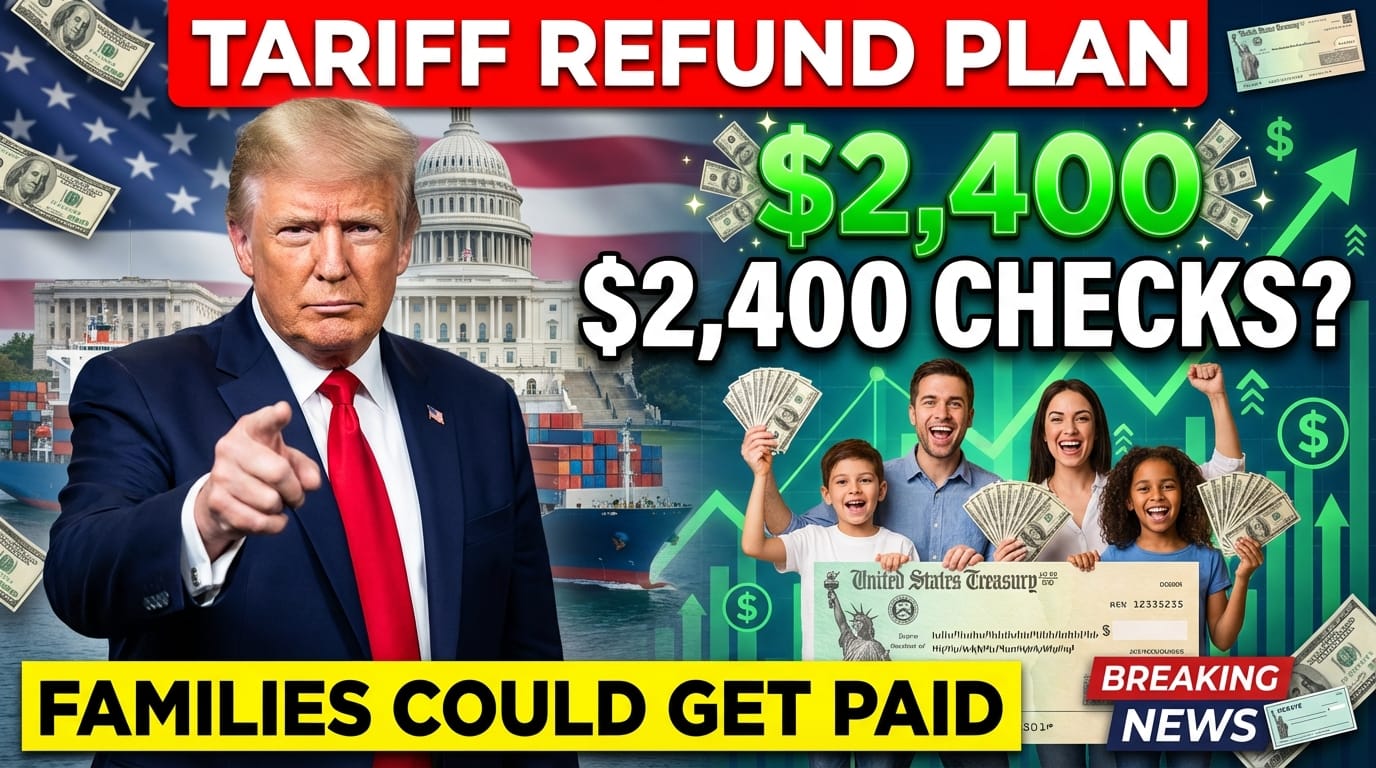
Senator Martin Heinrich of New Mexico has introduced the Tariff Refunds for Working Families Act. The bill proposes sending rebate payments to individuals and families who may have been affected by higher costs associated with tariff policies. If the proposal becomes law, some households could receive payments of up to $2,400.
The plan is being discussed at a time when economic policy and trade measures remain central topics in the national political debate ahead of the 2026 midterm elections.
Tariffs
Tariffs are taxes imposed on imported goods. Governments typically use them to support domestic industries or address trade imbalances with other countries. However, tariffs can also raise costs for businesses that rely on imported materials or products.
When businesses face higher import costs, those expenses are often passed on to consumers. As a result, tariffs can indirectly affect the prices people pay for goods such as electronics, clothing, and household items.
During his presidency, Donald Trump introduced several tariff measures targeting key trading partners, including China. Supporters argued these tariffs protected American industries, while critics said they contributed to higher consumer prices.
Proposal
The Tariff Refunds for Working Families Act aims to distribute a portion of tariff revenue directly to American households.
According to the proposal, approximately $166 billion collected through tariffs would be used to fund the rebate program. The concept behind the legislation is that if tariff policies contributed to increased living costs, then some of the revenue generated should be returned to taxpayers.
Lawmakers presenting the bill describe it as a way to provide financial relief while also acknowledging the economic effects of tariff policies.
Payments
The proposed rebates would vary depending on filing status and income level. The bill establishes specific eligibility thresholds and payment amounts for individuals and families.
Below is a simplified overview of the proposed rebate structure.
| Filing Status | Income Limit | Rebate Amount |
|---|---|---|
| Single | Under $90,000 | $600 |
| Head of Household | Under $120,000 | $600 |
| Married Filing Jointly | Under $180,000 | $1,200 |
| Per Dependent Child | – | $600 |
Families with children could receive larger payments because the proposal includes an additional rebate for each dependent child.
For example:
| Family Type | Estimated Rebate |
|---|---|
| Single adult | $600 |
| Married couple | $1,200 |
| Family with two children | $2,400 |
Under the proposal, a family of four earning less than $180,000 annually could receive a combined rebate of $2,400.
Funding
The rebate program would rely primarily on the revenue generated through tariffs. Lawmakers estimate that tariffs have produced approximately $166 billion in federal revenue.
However, the legislation conceptually connects the rebate payments to tariff revenue rather than strictly requiring that exact funding source. This approach would allow flexibility if the government also needs to refund tariff payments to importers who originally paid them.
As a result, the proposal provides room for multiple financial arrangements while still prioritizing taxpayer rebates.
Politics
The introduction of the bill comes as economic policy remains a major issue for voters. Trade policies, inflation, and the cost of living are expected to be key topics in the upcoming 2026 midterm elections.
A survey conducted by NBC News found that public opinion on tariffs is divided. About 33 percent of voters said tariffs benefited the economy, while 67 percent said they did not.
The same survey indicated that many respondents were dissatisfied with how tariffs may have influenced inflation and household expenses.
These findings have increased attention on policy proposals aimed at reducing financial pressure on families.
Limits
The legislation also includes provisions related to presidential authority and the presentation of government payments.
One provision would reduce the president’s ability to impose tariffs without congressional involvement. Supporters argue that trade decisions with broad economic impact should involve greater legislative oversight.
Another provision would prevent rebate checks from including the president’s name. During the COVID-19 pandemic, stimulus payments issued by the federal government included Donald Trump’s name. The new bill seeks to prevent similar practices in future rebate programs.
Supporters say the measure is intended to maintain neutrality in government financial assistance.
Outlook
The Tariff Refunds for Working Families Act remains in the early stages of the legislative process. For the proposal to become law, it must pass both chambers of Congress and receive presidential approval.
Trade policy proposals often involve extensive debate, and it is not yet clear whether the bill will gain sufficient support. However, the measure highlights ongoing discussions about the economic effects of tariffs and the potential role of rebates in offsetting those impacts.
For households facing higher living costs, the proposal represents one of several policy approaches being considered in Washington to address economic pressures.
FAQs
What is the Tariff Refunds for Working Families Act?
A proposed bill offering tax rebates funded by tariff revenue.
How much could families receive?
Families could receive up to $2,400 depending on income and dependents.
Who qualifies for the rebate checks?
Singles under $90k, heads under $120k, couples under $180k.
Where would the rebate money come from?
From the $166 billion collected through tariffs.