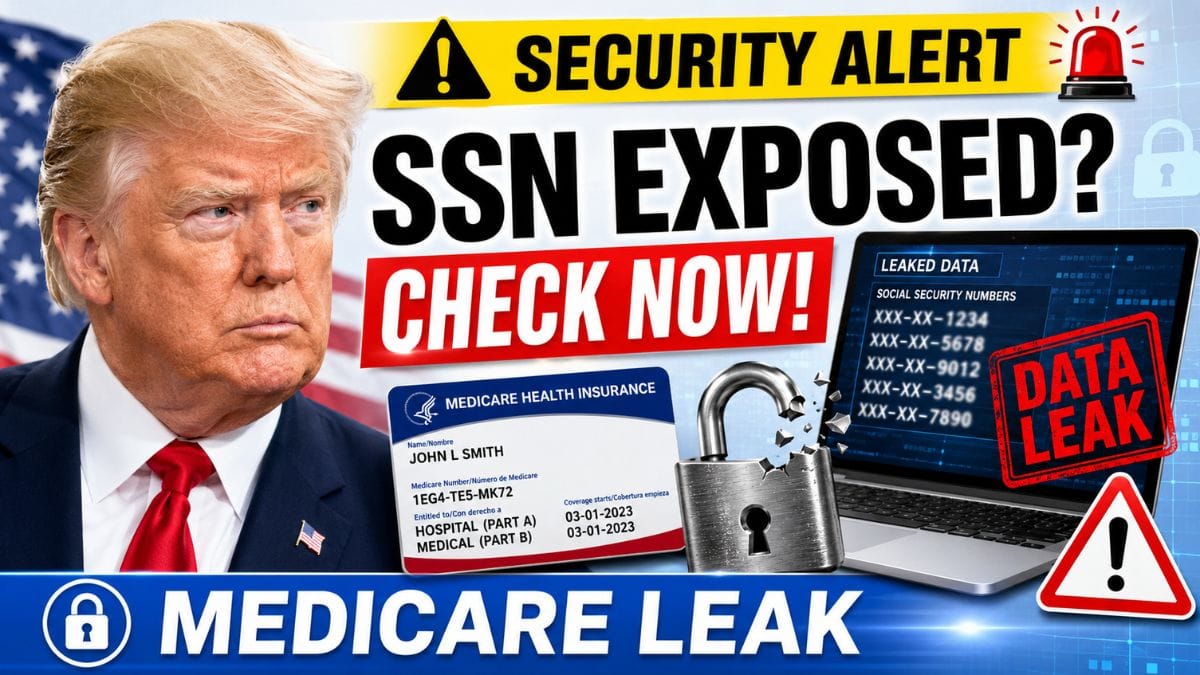
A newly revealed Medicare data exposure has raised concerns across the healthcare industry after a publicly accessible database reportedly exposed Social Security numbers connected to healthcare providers. The issue involved a Medicare provider directory managed through the Centers for Medicare and Medicaid Services (CMS). While officials say Medicare beneficiaries were not impacted, healthcare professionals whose information was stored in the system may face serious identity theft risks.
The incident highlights how even simple data entry mistakes can create major security problems. Although CMS stated this was not a cyberattack, the exposure still involved highly sensitive personal information becoming publicly accessible online.
Exposure
According to reports, the exposed database powered a national Medicare provider directory designed to help beneficiaries search for doctors and healthcare professionals. The database remained accessible online for several weeks before federal officials were alerted.
CMS later removed the data and explained that the issue occurred because providers or representatives accidentally entered Social Security numbers into incorrect fields during enrollment. The agency’s validation systems reportedly failed to catch those errors before publication.
Michael Ryan, founder of MichaelRyanMoney.com, explained that this was not a sophisticated hacking event. Instead, it was a failure in data oversight and verification procedures.
Impact
The exposure appears to affect healthcare providers only. There is currently no evidence that Medicare patients or beneficiaries had their Social Security numbers leaked.
Still, experts warn that the risks remain serious. Healthcare providers are attractive targets for identity thieves because they often have access to both financial systems and medical information.
Here’s a quick breakdown of who may be affected:
| Group | Impact Status |
|---|---|
| Medicare beneficiaries | No evidence of exposure |
| Healthcare providers | Potentially affected |
| Provider representatives | Possibly affected |
| CMS systems | Data validation failure reported |
An exposed Social Security number combined with a provider’s name, address, and National Provider Identifier (NPI) can create opportunities for fraud, fake accounts, and financial scams.
Signs
Healthcare providers should stay alert for unusual activity that could signal identity misuse. Some warning signs include:
| Warning Sign | Possible Risk |
|---|---|
| Unknown credit inquiries | Identity theft |
| Missing tax refunds | Fraudulent filings |
| Suspicious SSA activity | Earnings fraud |
| Unfamiliar bank accounts | Financial fraud |
| Medical billing anomalies | Healthcare identity theft |
Even though the database has been removed, exposed information may already have been copied or downloaded by unauthorized individuals.
Checks
If you are a healthcare provider listed in the Medicare directory, there are several steps you can take immediately.
Review CMS Communications
Monitor emails and official notices from CMS regarding potential notifications or updates about the exposure.
Check Credit Reports
Request free credit reports from Equifax, Experian, and TransUnion. Look carefully for unfamiliar accounts or suspicious inquiries.
Set Fraud Alerts
Fraud alerts notify lenders to verify your identity before opening new accounts. This adds an extra layer of protection.
Freeze Credit
A credit freeze can help prevent criminals from opening accounts using your Social Security number.
| Protection Tool | Purpose |
|---|---|
| Fraud Alert | Warns lenders |
| Credit Freeze | Blocks new credit |
| Credit Monitoring | Detects suspicious activity |
| SSA Account Review | Tracks earnings misuse |
Monitor SSA Records
Providers should regularly check their Social Security earnings records through ssa.gov for unauthorized activity or employment entries.
Risks
Although beneficiaries were not reportedly impacted, this event raises broader concerns about how sensitive government healthcare data is handled.
Digital healthcare systems are expanding rapidly. As CMS builds larger online tools and databases, maintaining accurate data validation and stronger oversight becomes critical.
Think of it like leaving a house key under the doormat. Even if nobody breaks the door down, the information was still left exposed in plain sight.
Experts say identity theft tied to healthcare professionals can be especially damaging because attackers may use stolen identities for:
- Tax fraud
- Loan applications
- Medical billing schemes
- Insurance scams
- Fake provider accounts
Response
CMS has not yet announced whether affected providers will receive direct notifications. The agency also has not released the total number of potentially exposed records.
Lawmakers are already criticizing the handling of the project and questioning whether stronger oversight should have been in place before launching the national provider directory.
The incident may also trigger calls for tighter federal cybersecurity and data management standards, especially for healthcare-related systems containing personal information.
Protection
Even if you are not directly affected, this event serves as a reminder to strengthen personal data security habits.
Here are a few smart protection practices:
- Use strong, unique passwords
- Enable two-factor authentication
- Review financial statements regularly
- Avoid sharing SSNs unnecessarily
- Store sensitive documents securely
Healthcare organizations should also review internal enrollment procedures to ensure sensitive data is entered correctly and verified before submission.
Data exposures do not always come from hackers. Sometimes simple human mistakes create the biggest vulnerabilities. The Medicare provider database incident shows how critical data validation and oversight are in protecting sensitive information.
While Medicare beneficiaries appear safe, healthcare providers should act quickly to monitor their credit, Social Security records, and financial activity. In today’s digital world, proactive identity protection is no longer optional – it is essential.
FAQs
Were Medicare patients affected?
No evidence shows beneficiary data was exposed.
Who was mainly impacted?
Healthcare providers in the CMS directory.
Was this a cyberattack?
CMS says it was not a hacking incident.
Should providers freeze credit?
Experts recommend considering a freeze.