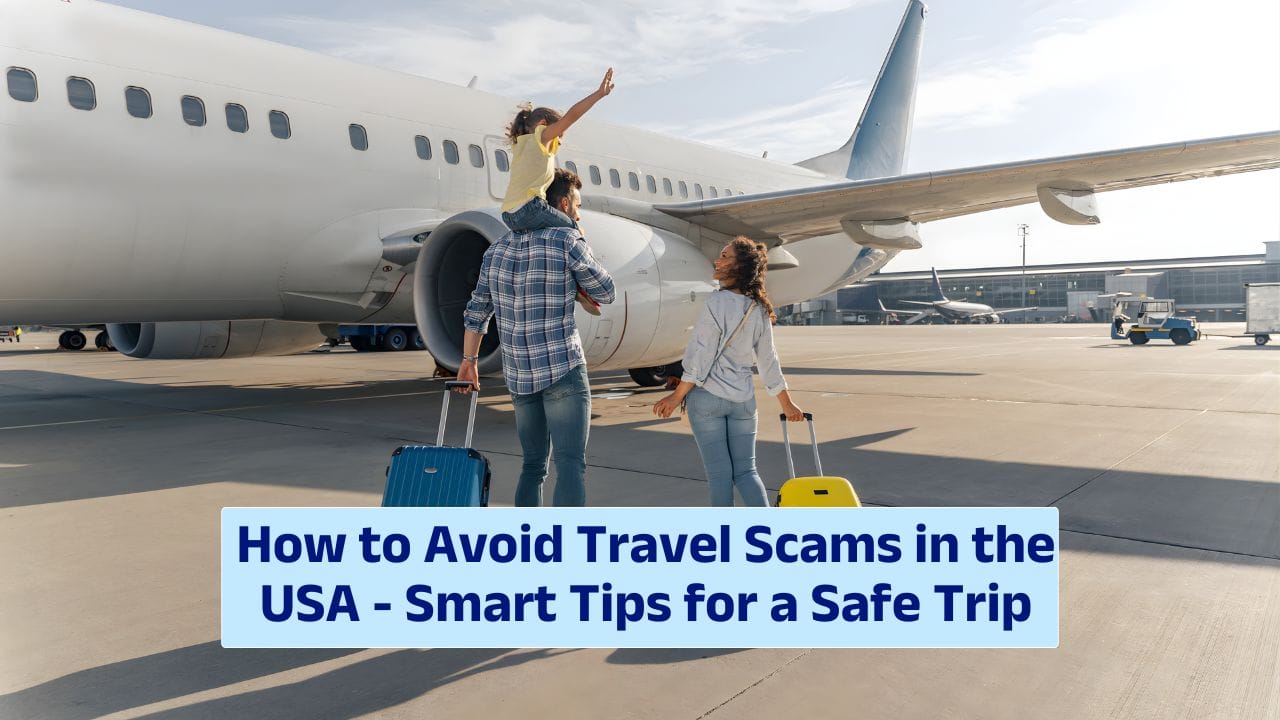
Planning a trip to the USA? From bustling cities to breathtaking national parks, it’s an amazing place to observe. But like anywhere, scammers lurk in popular tourist spots, waiting to take advantage of unsuspecting travelers.
Whether it’s fake tour operators or too-good-to-be-true deals, travel scams can ruin your trip—and your wallet. Don’t worry though; a little know-how goes a long way. Let’s look into how to prevent travel scams in the USA, so your adventure stays smooth and scam-free.
Research
Before you even pack your bags, do your homework. Scams usually rely on ignorance. So, the more you know, the safer you’ll be. Look up common travel scams in the specific cities or states you’re visiting. Big cities like New York, Las Vegas, and Los Angeles are hotspots for fraudsters who target tourists.
Check travel forums, official tourism websites, and social media groups for traveler reviews and warnings. Google the names of hotels, tour companies, or attractions with words like “scam” or “fraud” to see if anything fishy comes up.
Bookings
Be cautious when booking accommodations, flights, or tours. Always use trusted websites or apps—think Booking.com, Expedia, Airbnb, or directly through airline or hotel websites. If someone contacts you out of the blue offering a deal that’s “only valid for the next hour,” that’s a huge red flag.
Never wire money or pay using gift cards—legit companies don’t ask for that. If you’re booking through a lesser-known site, double-check if it’s secure (look for “https” in the URL and read customer reviews).
Tours
Who doesn’t love a guided tour? But beware of fake tour guides that approach you on the street or offer “exclusive access” to popular sites. Real guides usually have IDs or uniforms and operate from marked booths or established businesses.
Book tours in advance if possible and make sure the company has a professional website, verified reviews, and clear pricing. If someone tries to charge you more after the tour starts or says the price has changed suddenly, walk away.
Taxis
Getting around in a new city? Be careful with taxis. Unlicensed drivers may overcharge, take longer routes, or even fake broken meters. In cities like New York or Miami, this is more common than you’d think.
Use ride-sharing apps like Uber or Lyft, which are more transparent with pricing and driver details. If you do use a taxi, ask about the fare upfront or make sure the meter is running. And never get into an unmarked car, no matter how friendly the driver seems.
ATMs
Need cash? Avoid random ATMs on the street or inside sketchy stores. Scammers sometimes install skimming devices to steal your card info. Stick to ATMs located inside banks or reputable buildings.
Also, cover the keypad when entering your PIN and regularly check your account for any unauthorized charges. If you’re unsure about an ATM, trust your gut—just walk away and find another.
WiFi
Free WiFi sounds great—until your personal data gets stolen. Hackers can set up fake public networks in places like airports or cafes, luring you in to steal sensitive info.
If you have to use public WiFi, avoid logging into bank accounts or entering passwords. Better yet, use a VPN (virtual private network) to protect your connection. Or use your mobile data if it’s safer.
Distractions
Scammers love a good distraction. Whether it’s someone “accidentally” spilling something on you, asking for directions, or putting on a show, the goal is the same: to divert your attention while someone else picks your pocket or swipes your phone.
Stay alert in crowded places like subways, tourist hotspots, and festivals. Keep your valuables close—ideally in a cross-body bag with zippers or a money belt.
Emails
Watch out for phishing emails claiming you’ve won a free trip or offering unbelievable discounts. These are often fake and designed to get your personal or financial information.
Always verify the sender’s email address and don’t click on suspicious links. If it sounds too good to be true, it probably is. When in doubt, contact the company directly through their official website.
Scenarios
Let’s take a look at some of the most common travel scam scenarios in the USA and how to avoid them:
| Scam Type | Description | How to Avoid |
|---|---|---|
| Fake Tickets | Counterfeit tickets sold outside venues | Buy tickets from official sources |
| “Free” Gifts | Free items with surprise fees | Don’t accept unsolicited offers |
| Broken Taxi Meter | Meter “not working” excuse to overcharge | Insist on a working meter or use Uber |
| Fake Police | Impersonators demanding fines | Ask for ID or call 911 if unsure |
| Hotel Scams | Calls pretending to be the front desk | Visit the front desk in person |
It’s easy to let your guard down when you’re relaxed and having fun, but that’s exactly when scammers strike. Trust your instincts. If something feels off, it probably is. A little awareness can save you from a big headache.
By staying alert, doing your research, and knowing the red flags, you can enjoy the best of what the USA has to offer—without falling into any tourist traps.
FAQs
What’s the most common travel scam?
Fake tour guides or overcharging taxis are very common in the USA.
How do I spot a fake website?
Check for HTTPS, spelling errors, and poor-quality design or reviews.
Should I use public WiFi?
Avoid it for banking or use a VPN to protect your data.
Can I trust street vendors?
Some are fine, but avoid pushy ones or those without clear pricing.