Millions of people claiming sickness and disability-related benefits could see changes to how their support is provided under proposals being examined by the government. The plans would represent a significant shift in the structure of the welfare system, focusing more on personalised assistance aimed at helping people return to work.
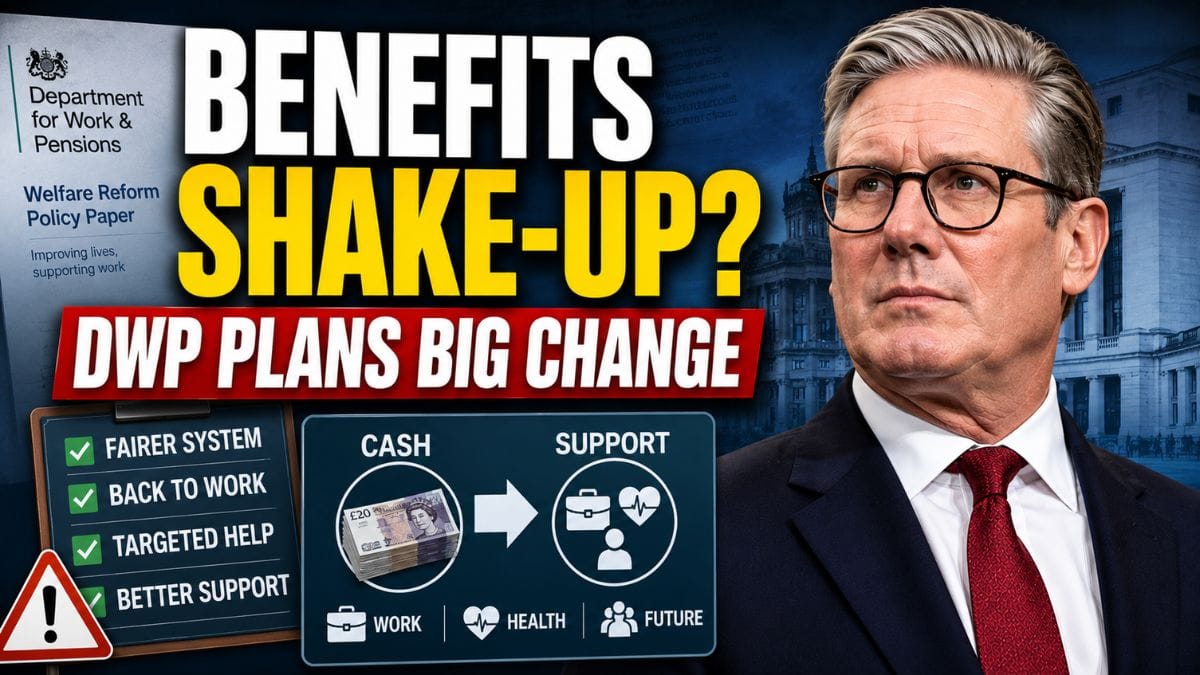
According to reporting by the Financial Times, officials are considering a model that would allow some claimants to exchange part of their cash benefits for tailored support services. These could include therapy, physiotherapy, skills training, employment coaching, or other health and work-related interventions.
The discussions come as Labour looks for ways to address rising welfare spending while avoiding politically contentious benefit cuts.
Context
Spending on sickness and disability benefits has increased sharply in recent years, driven in part by long-term health conditions and mental health issues. Ministers believe a substantial number of claimants would like to work but face barriers that are not adequately addressed by the current benefits system.
A senior government source told the Financial Times there is clear interest in allowing benefits to be used in more flexible ways, combining financial payments with direct access to services that could support a return to employment.
Proposal
Under the proposed approach, claimants would undergo an assessment to identify the main obstacles preventing them from working. Based on the results, they could be offered a personalised package described as “cash plus support”.
Rather than receiving all of their entitlement as a cash payment, some individuals could choose to redirect part of their benefits towards specific services, such as mental health treatment, occupational therapy, retraining programmes, or structured job coaching.
The concept has been compared to the Motability scheme, which allows eligible disabled people to use a portion of their benefits to lease a vehicle suited to their needs.
Rationale
Ministers argue that many people currently claiming sickness benefits receive limited practical help to address the underlying issues keeping them out of work. Supporters of the proposal say earlier access to treatment or targeted employment assistance could help some claimants return to the workforce more quickly.
If successful, the approach could reduce long-term welfare costs while increasing tax revenues through higher employment. However, officials have stressed that the focus is on providing support rather than cutting benefits.
Political backdrop
These discussions mark the first major welfare reform proposal to emerge since Sir Keir Starmer reversed plans to reduce disability benefits last year following opposition from Labour MPs. That episode highlighted the political sensitivity surrounding welfare reform within the party.
Senior Labour figures have since emphasised that reducing welfare spending is best achieved by increasing employment levels rather than lowering benefit payments.
Youth focus
The issue has gained urgency following a government-commissioned review led by former Labour cabinet minister Alan Milburn. The review warned of a potential “lost generation” of young people who are not in education, employment or training.
The report found that around one million young people fall into the Neet category, often due to long-term physical or mental health conditions. Cabinet Office minister Pat McFadden has been working on proposals that would place greater emphasis on helping younger claimants move into work.
Outlook
Any formal reforms are expected to prioritise expanded support services over reductions in entitlement. While the proposals remain under discussion, they signal a possible shift toward a more intervention-focused welfare system that links financial assistance with direct help aimed at overcoming barriers to employment.
Further details are likely to emerge as ministers refine the plans and assess their cost, effectiveness, and political feasibility.
FAQs
Who could be affected by the DWP benefits changes?
People claiming sickness or disability-related benefits.
Would benefits be cut under these proposals?
The focus is on added support, not reducing payments.
What support could replace part of cash benefits?
Therapy, training, job coaching, or health services.
Has the reform been confirmed?
No, proposals are still under government review.