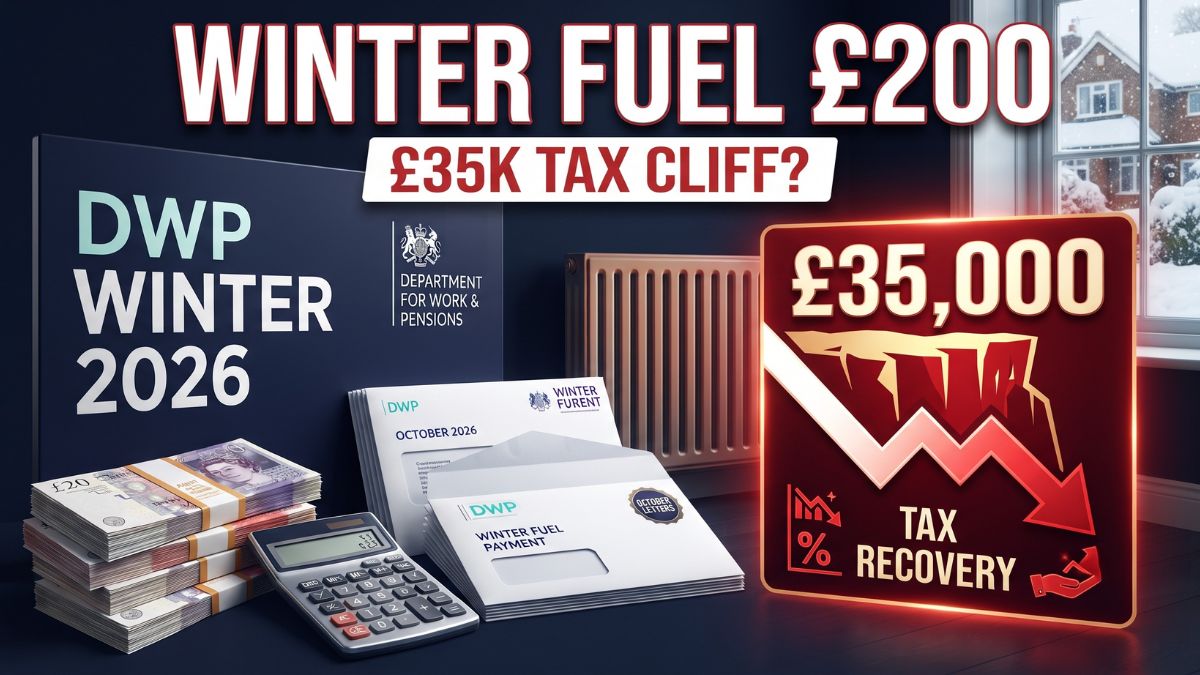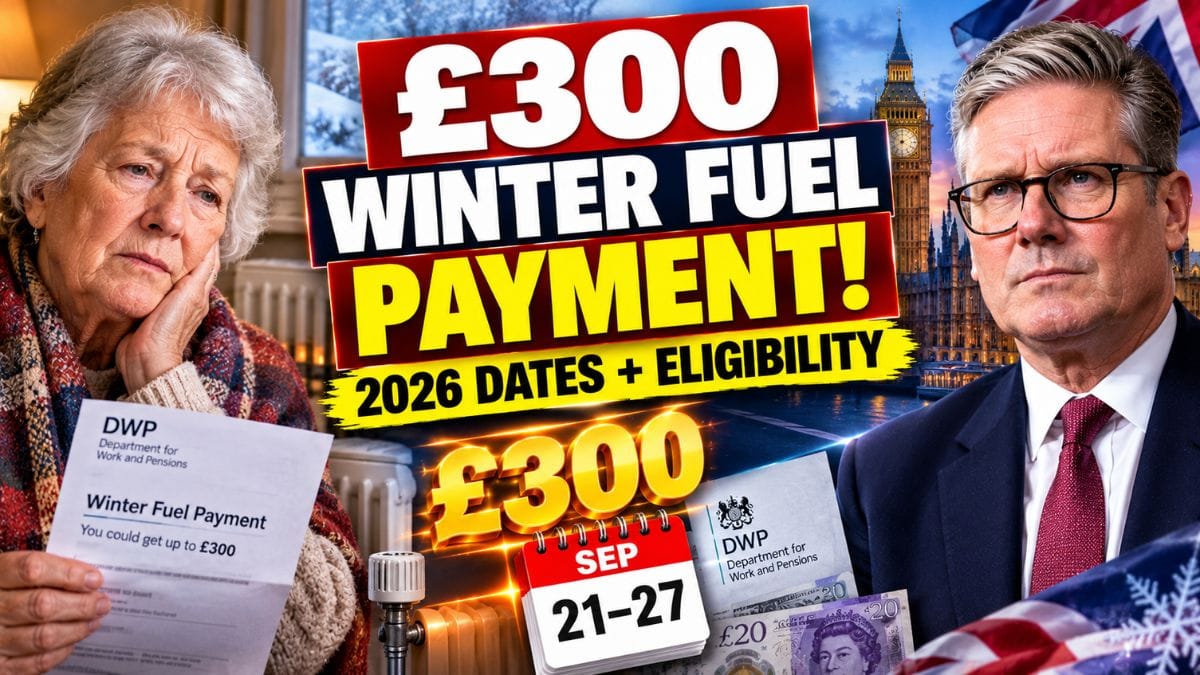
The Winter Fuel Payment is returning for winter 2026/27, with eligible older people in England, Wales and Northern Ireland potentially receiving up to £300 to help with heating costs.
This year’s assessment is particularly important because the Department for Work and Pensions (DWP) uses a specific period called the Qualifying Week to determine eligibility and the amount payable. For 2026/27, that week runs from September 21 to September 27, 2026.
People who qualify generally do not need to make a separate claim. The DWP will assess eligible recipients automatically and usually sends a letter explaining the payment during the autumn.
There is no confirmed single payment date yet, but payments are normally made during November and December. Anyone who has not received their expected payment or a letter by January 27, 2027, should contact the Winter Fuel Payment Centre.
Qualifying Week
The 2026 Winter Fuel Payment Qualifying Week runs from September 21 to September 27.
Your circumstances during this week are used when the DWP determines whether you qualify and how much you could receive.
For the 2026/27 winter season, you generally need to have been born on or before June 27, 1960.
The age requirement is therefore based on your date of birth rather than simply whether you have reached State Pension age at the time the payment is made.
The official GOV.UK Winter Fuel Payment guidance provides the current eligibility rules and payment information.
£300 Payment
Eligible households can receive up to £300 under the Winter Fuel Payment scheme.
The amount is not necessarily the same for everyone. It depends on factors including the recipient’s age and circumstances during the Qualifying Week.
The payment is intended to help with heating costs during winter and is separate from the State Pension.
It is also separate from other forms of financial support that a household may receive.
Because the payment amount depends on individual circumstances, eligible people should check their circumstances against the official DWP rules rather than assuming everyone who qualifies will receive £300.
Payment Dates
The DWP has not announced one specific payment date for everyone receiving the Winter Fuel Payment in 2026/27.
Payments are generally expected to be made automatically during November and December.
Eligible recipients should normally receive a letter in October or November explaining their payment.
The money is generally paid into the same account used for other benefits or State Pension payments.
If you qualify but have not received your letter or payment by January 27, 2027, the DWP advises contacting the Winter Fuel Payment Centre.
The GOV.UK contact and reporting guidance provides information about what to do if your circumstances have changed or your payment is missing.
Automatic Payments
Many people do not need to apply for the Winter Fuel Payment.
The DWP can identify eligible recipients automatically where it already has the necessary information.
Benefits and payments that can be relevant include State Pension, Pension Credit, Universal Credit, Attendance Allowance, Personal Independence Payment, Carer’s Allowance and Disability Living Allowance.
Other qualifying benefits include income-related Employment and Support Allowance, certain War Pensions Scheme awards, Industrial Injuries Disablement Benefit, Incapacity Benefit and Industrial Death Benefit.
Receiving one of these benefits does not necessarily mean that a person will qualify automatically in every circumstance. Other eligibility conditions can apply, particularly regarding age, residence and circumstances during the Qualifying Week.
Care Homes
Living in a care home does not automatically prevent someone from receiving the Winter Fuel Payment.
However, specific rules apply.
A person generally will not qualify if they receive certain benefits, including Universal Credit, Pension Credit or income-related Employment and Support Allowance, and lived in a care home throughout the relevant period.
The rules can depend on exactly when someone entered a care home and which benefits they receive.
Anyone in this situation should check the official guidance rather than relying on a general eligibility rule.
Exclusions
There are circumstances in which someone who otherwise meets the age requirement may not qualify.
For example, people who usually live outside England, Wales or Northern Ireland are generally not covered by the current scheme rules.
There are also exclusions relating to certain periods spent in hospital receiving free treatment. The rules can apply where someone was in hospital for the entire Qualifying Week and the preceding year.
People who were in prison for the whole of the Qualifying Week can also be excluded.
Another restriction applies to certain people who require permission to enter or remain in the UK where their immigration conditions state that they cannot claim public funds.
These exclusions are based on specific circumstances, so the exact details matter.


What To Do
For most eligible recipients, there is no separate application to complete. The DWP will assess entitlement using information already held about the individual.
If you believe you should receive the payment, keeping your benefit and personal details up to date can help avoid delays.
The most important dates for the 2026/27 payment are the Qualifying Week from September 21 to September 27, the expected autumn notification period and the November-to-December payment window.
There is currently no single confirmed payment date for all recipients. If an expected payment has not arrived by January 27, 2027, contacting the Winter Fuel Payment Centre is the appropriate next step.
The Winter Fuel Payment is designed to provide additional help with winter heating costs, but eligibility depends on several conditions. For 2026/27, the key points are the June 27, 1960 birth-date cutoff, the September 21-27 Qualifying Week and the individual circumstances that determine the amount payable. Checking the official DWP rules is the safest way to establish whether a particular household qualifies and how much it could receive.