President Donald Trump is expected to sign a new Presidential Memorandum that focuses on restricting access to Social Security benefits under the Social Security Act for individuals who are not legally eligible. The White House says the directive is aimed at strengthening enforcement and ensuring that federal benefits are distributed according to existing law. The announcement comes at a sensitive moment for the Social Security Administration, which is facing long-term funding challenges highlighted in its latest trustees report.
Social Security remains one of the largest and most relied-upon federal programs in the United States. While benefit payments continue without interruption, financial projections show increasing pressure on the system in the coming decade. The new memorandum draws attention to both eligibility enforcement and the broader sustainability of the program.
Background
According to the White House, the memorandum will instruct federal agencies to tighten oversight and prevent illegal immigrants from receiving benefits under the Social Security Act. Administration officials say the goal is to protect taxpayer-funded programs and maintain compliance with current eligibility rules.
This is not the first directive on the issue. A similar memorandum was signed on April 17, 2025. That earlier order required the Social Security Administration to take stronger steps to prevent benefits from being issued to illegal aliens and other ineligible individuals. The upcoming memorandum is described as a continuation of that policy approach rather than a new initiative.
Funding
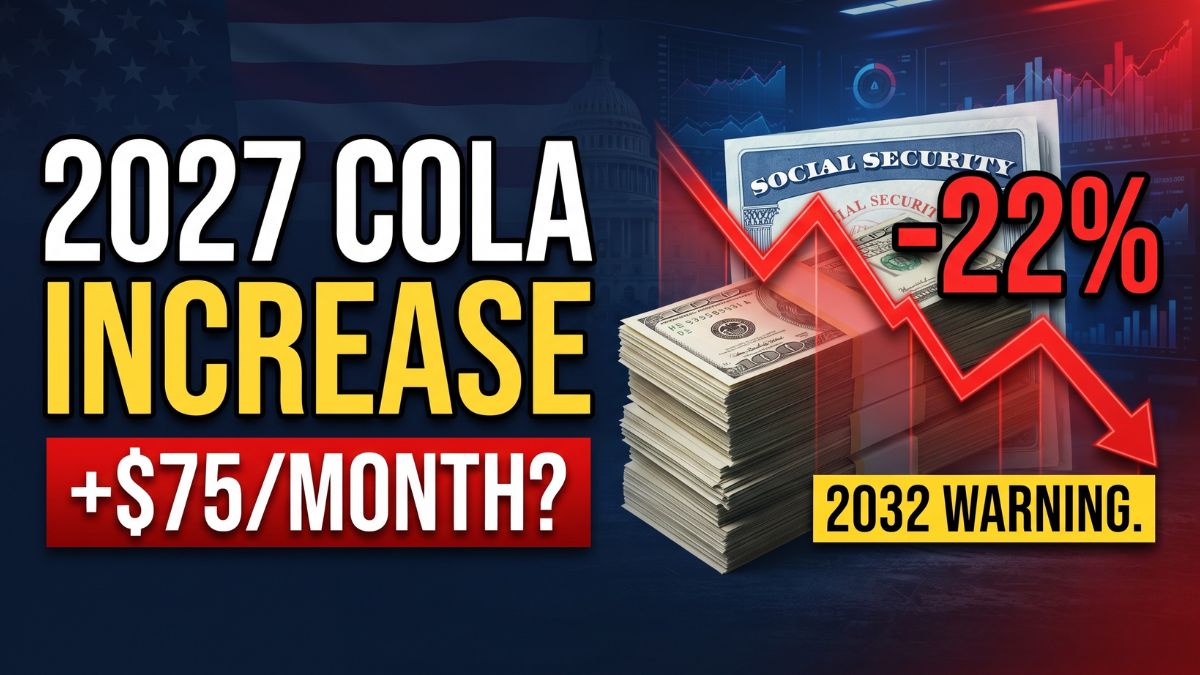
The policy announcement coincides with renewed attention on Social Security’s financial outlook. The most recent report from the Social Security trustees warns that the program’s trust funds could become insolvent by the end of 2032 if no changes are made.
Insolvency would not mean the program stops operating. Instead, ongoing payroll tax revenue would be sufficient to cover only a portion of scheduled benefits. Under current projections, beneficiaries could face an automatic reduction of about 22 percent in monthly payments.
These projections have intensified discussions among policymakers about the long-term structure of the program.
Programs
The Social Security Administration manages more than retirement benefits. It also oversees Supplemental Security Income, which provides financial assistance to low-income aged, blind, and disabled individuals.
| Program | Annual Spending | Recipients |
|---|---|---|
| SSI | $56 billion | 7.4 million |
In addition to SSI, the agency coordinates with federal and state partners to help administer Medicare and Medicaid. These responsibilities contribute to the overall scale and complexity of SSA operations.
Previous
The April 2025 memorandum emphasized improved data verification and coordination across federal agencies to reduce improper payments. It also called for stronger enforcement mechanisms within existing legal authority.
Officials familiar with the new memorandum say it reinforces those earlier directives rather than expanding benefit restrictions beyond current law. The focus remains on eligibility verification and program integrity.
Debate
Supporters of the memorandum argue that stricter enforcement helps preserve resources for eligible beneficiaries and reinforces public confidence in the system. They maintain that even limited reductions in improper payments can contribute to program stability.
Critics counter that enforcement measures alone will not address the primary drivers of the funding shortfall. They point to demographic trends, including an aging population and a declining ratio of workers to beneficiaries, as the main challenges facing Social Security.
The differing views reflect a broader debate over how to balance enforcement with structural reform.
Outlook
The long-term future of Social Security ultimately depends on legislative action. While presidential memorandums can guide agency enforcement, only Congress can make changes that affect taxes, benefits, or eligibility standards at scale.
As the projected 2032 insolvency date approaches, lawmakers are expected to face increased pressure to act. For now, benefits continue to be paid as scheduled, but the financial outlook underscores the importance of policy decisions made in the coming years.
FAQs
What does the new Social Security memorandum address?
It focuses on preventing ineligible individuals from receiving benefits.
Why is the 2032 date significant for Social Security?
Trustees project possible insolvency by the end of that year.
Would benefits stop if insolvency occurs?
No, but payments could be reduced under current projections.
Was a similar policy issued before?
Yes, a related memorandum was signed in April 2025.