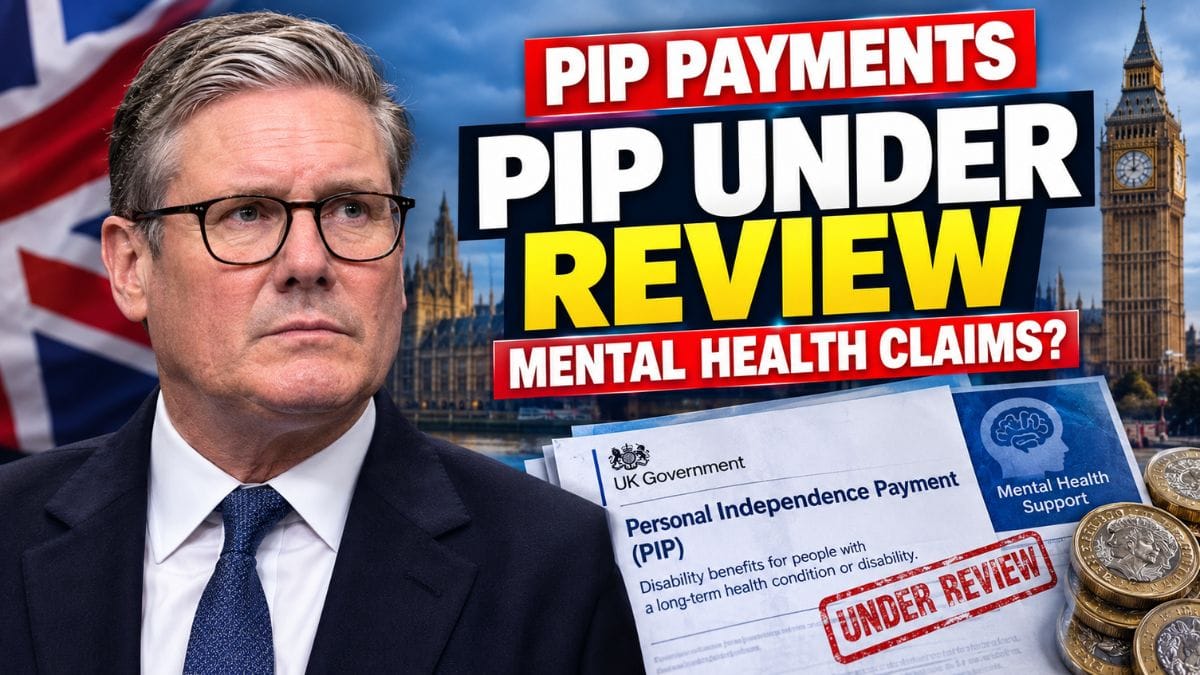
The UK’s Personal Independence Payment (PIP) system is facing renewed political scrutiny as forecasts point to substantial growth in disability benefit spending. The debate has focused in particular on claims involving mental health conditions, with the Conservative Party proposing changes to eligibility and assessments.
PIP is designed to help with extra costs associated with long-term physical or mental health conditions or disabilities. It is separate from a person’s ability to work, and eligibility depends on how a condition affects daily living and mobility rather than simply on having a particular diagnosis.
The issue has become part of a wider debate over the future cost of the welfare system and how the government should balance financial sustainability with support for disabled people.
Spending
Office for Budget Responsibility forecasts cited in the source material indicate that PIP spending could rise substantially during the second half of the decade.
The figures cited put annual PIP spending at around £26 billion in 2024, with spending projected to approach £45 billion by 2030.
The number of people receiving PIP has also increased. DWP figures cited in the report show around four million people in England and Wales were entitled to the benefit by April, including approximately 3.3 million people of working age.
These figures have intensified political discussion about whether the existing system can remain financially sustainable.
Proposal
The Conservative Party has called for changes to the way sickness and disability benefits are assessed.
Shadow Work and Pensions Secretary Helen Whately said the party would “stop claims for low-level mental health” and restore face-to-face assessments as part of its proposed approach.
That is a political proposal rather than a current change to PIP rules. Existing PIP eligibility does not simply exclude people because their mental health condition is considered “low level”. Instead, assessments consider how a person’s condition affects specified daily living and mobility activities.
Any future change would therefore depend on legislation, regulations or revised assessment rules.
Assessments
Face-to-face assessments are another part of the political debate.
The Conservative proposal includes bringing back more face-to-face assessments. The government has also said it is increasing face-to-face assessments as part of wider changes to the welfare system.
Assessment methods matter because PIP is intended to measure the practical impact of a person’s condition. Someone can qualify because of difficulties with activities such as preparing food, communicating, managing treatment, mixing with other people or moving around.
The severity of a diagnosis by itself does not determine the award.
Review
The government’s welfare reforms are also linked to the Timms review of PIP.
According to the DWP statement cited in the source material, an interim report concluded that PIP was no longer fit for purpose, with recommendations from the final report expected to inform future reforms.
The government has also said it is extending award review periods in some circumstances. It estimates that the measures could deliver savings of around £2 billion while reducing what it describes as unnecessary pressure on disabled people.
The final recommendations and the government’s response will determine which proposed changes actually become policy.
Mental Health
Mental health is an important part of the PIP debate because psychological conditions can affect a person’s ability to carry out everyday activities.
PIP does not operate as a simple list of diagnoses. Instead, eligibility is based on functional limitations and the points awarded for difficulties across specified activities.
This distinction is important when considering proposals to restrict payments for “low-level” mental health conditions. Such terminology can be politically useful but does not, by itself, describe the current legal test for receiving PIP.
A future policy could introduce different eligibility requirements, but the precise effect would depend on the wording of any final rules.
Politics
The Conservatives have used the increase in welfare spending to argue that the government needs tighter controls on sickness and disability benefits.
Whately accused ministers of failing to respond adequately to rising spending and said the Conservatives were undertaking a wider review of the sickness benefits system.
The government has taken a different approach, arguing that reform is needed to make the welfare system more sustainable while reducing unnecessary administrative pressure on disabled people.
The disagreement therefore involves two connected questions: how eligibility should be assessed and how much the government should spend on disability and sickness benefits.


Outlook
For current PIP recipients, political proposals should not be confused with changes that have already taken effect. A proposal to restrict certain claims does not automatically end existing awards.
The direction of policy will depend on the government’s final decisions, the outcome of ongoing reviews and any legislation or regulatory changes that follow.
For people who rely on PIP, the practical details will be particularly important. Changes to assessment criteria, review periods, evidence requirements or eligibility could affect different groups in different ways.
The wider debate is ultimately about how the UK should structure disability support while managing rising public spending. Until final reforms are announced and implemented, claims about specific future eligibility rules should be treated as proposals rather than established changes.