Millions of households across the UK could receive additional financial support in the months leading up to Christmas 2026. With winter bringing higher heating bills, increased household expenses and pressure on family budgets, several Department for Work and Pensions (DWP) payments and local support schemes may help eligible people manage essential costs.
The support available includes the Winter Fuel Payment, Cold Weather Payment, Warm Home Discount, Christmas Bonus and assistance through the Crisis and Resilience Fund (CRF) in England. However, these schemes operate under different eligibility rules, and not everyone will qualify for every payment.
Some payments are made automatically, while others may require a claim or contact with a local council. Payment dates can also vary depending on the scheme, a person’s circumstances and the conditions that trigger support.
For pensioners, people receiving qualifying benefits and households facing financial difficulties, understanding these differences can help avoid missed payments and unnecessary delays.
Here is a detailed look at the five types of support, their eligibility requirements and when people may receive assistance during the 2026-27 winter period.
Winter Fuel
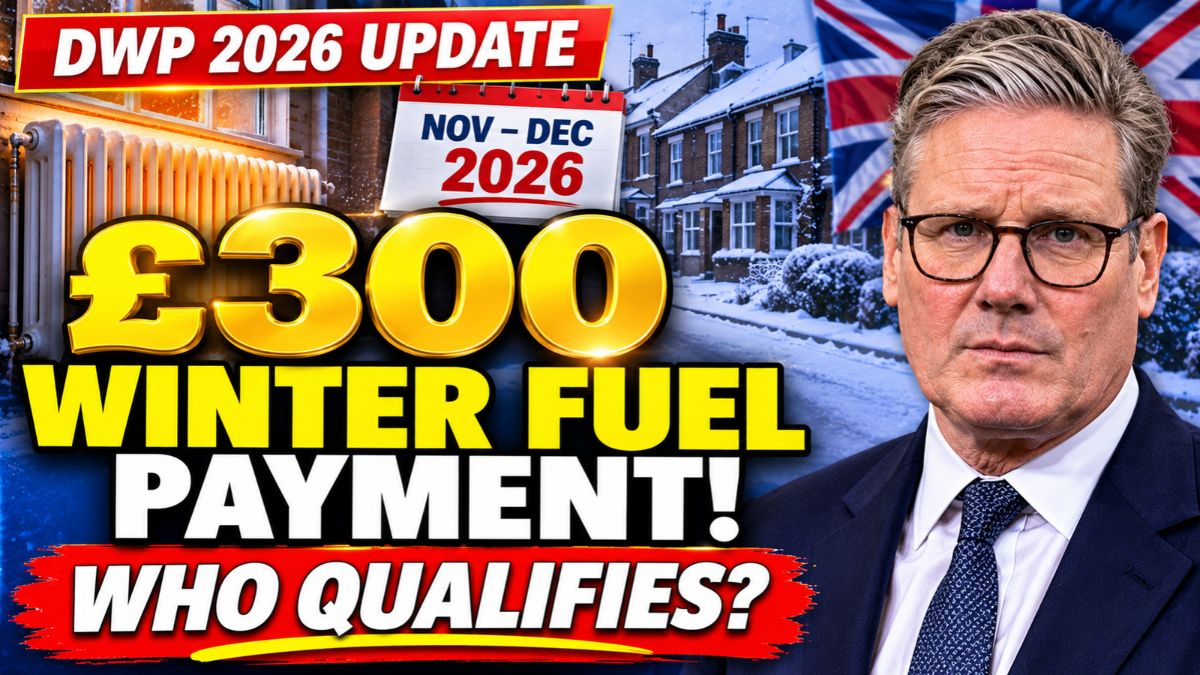
The Winter Fuel Payment is designed to help eligible pensioners manage heating expenses during the colder months. For the 2026-27 winter period, the payment is expected to range from £100 to £300, depending on individual circumstances.
The payment is generally made automatically to eligible people in November or December. Recipients should receive a letter explaining the amount they are due and the bank account into which the money will be paid.
Eligibility is linked to age and other circumstances. Under the details provided for the 2026 winter period, individuals must have been born on or before 27 June 1960 to meet the age requirement.
The qualifying week is also important. For the 2026-27 winter period, the qualifying week is stated as 21 to 27 September 2026. A person’s circumstances during this period can affect whether they qualify and how much they receive.
People who receive certain benefits may qualify automatically. These include:
- State Pension
- Pension Credit
- Universal Credit
- Attendance Allowance
- Personal Independence Payment (PIP)
- Carer’s Allowance
- Disability Living Allowance (DLA)
- Income-related Employment and Support Allowance (ESA)
- Industrial Injuries Disablement Benefit
- Incapacity Benefit
- Industrial Death Benefit
- Certain awards under the War Pensions Scheme
However, receiving one of these benefits does not necessarily mean that every person will receive the same amount. The payment depends on the applicable eligibility rules and household circumstances.
Some people may need to make a claim rather than receive the money automatically. This can apply to individuals who have not received a Winter Fuel Payment before or who have deferred their State Pension since their previous payment.
The official Winter Fuel Payment guidance provides information about eligibility, payment amounts and claiming requirements.
Cold Weather
The Cold Weather Payment provides additional financial assistance to certain benefit recipients when temperatures fall significantly during winter.
Unlike the Winter Fuel Payment, which is generally based on age and qualifying circumstances, Cold Weather Payments are triggered by specific weather conditions.
Eligible people may receive £25 for each qualifying seven-day period of very cold weather between 1 November 2026 and 31 March 2027.
A qualifying period occurs when the average temperature in the relevant area is recorded as, or forecast to be, zero degrees Celsius or below for seven consecutive days.
The payment is intended to help households manage additional expenses associated with cold weather, including heating costs.
People may qualify if they receive certain benefits or Support for Mortgage Interest. Qualifying benefits can include:
- Pension Credit
- Income-related Employment and Support Allowance
- Universal Credit
- Support for Mortgage Interest
Eligibility depends on the specific benefit conditions and household circumstances. For example, some Universal Credit recipients may need to meet additional requirements relating to employment status, health conditions or children.
The payment is generally made automatically. Eligible recipients do not usually need to submit a separate application.
Following a qualifying period of cold weather, payments should normally arrive within 14 working days. The money is paid into the same bank or building society account used for the person’s regular benefit payments.
If a payment appears to be missing, recipients can contact the Pension Service or Jobcentre Plus to check their eligibility.
Cold Weather Payments do not reduce other benefits. However, the scheme is not available to every household facing high heating costs, so checking the eligibility requirements remains important.
The official Cold Weather Payment guidance explains the qualifying conditions and payment process.
Warm Home
The Warm Home Discount Scheme provides eligible households with a £150 reduction on their electricity bill. Unlike the Winter Fuel Payment, this support is generally applied as a discount rather than being paid directly into a bank account.
The scheme is intended to help households with energy costs, particularly people on lower incomes and those receiving certain qualifying benefits.
Eligibility depends on factors such as the household’s circumstances, the energy supplier and whether the person or their partner is named on the electricity account.
Under the details provided for the 2026-27 scheme, the relevant qualifying date is 23 August 2026.
People may qualify if they meet the applicable conditions and receive certain means-tested benefits, including:
- Universal Credit
- Housing Benefit
- Income-related Employment and Support Allowance
- Pension Credit
The energy supplier must also participate in the scheme.
The Warm Home Discount does not operate in exactly the same way throughout the UK. Eligibility and arrangements can differ depending on whether a household lives in England, Wales or Scotland. Northern Ireland has separate arrangements.
Eligible households are generally notified by letter. For the 2026-27 period, letters are expected to be sent between late October 2026 and early January 2027.
Some recipients may receive a letter confirming that they qualify and do not need to take further action. Others may be asked to provide additional information before their eligibility can be confirmed.
Most eligible households should receive the discount between November 2026 and January 2027, although the scheme’s stated deadline for applying the discount is 31 March 2027.
People who believe they qualify but have not received a letter by early January 2027 may need to contact the Warm Home Discount Scheme.
The official Warm Home Discount guidance provides information about eligibility, qualifying benefits and how the discount is applied.
Christmas Bonus
The Christmas Bonus is a separate payment from the Winter Fuel Payment. It is a one-off, tax-free payment of £10 made to eligible people receiving certain benefits.
Although the amount is relatively small, the payment is intended to provide additional assistance during the Christmas period.
The Christmas Bonus is generally paid automatically. Eligible recipients do not usually need to submit a separate application.
To qualify, a person must meet the relevant benefit conditions during the qualifying week. This is generally the first full week of December.
The payment is also subject to residence requirements. A person must generally be present in, or ordinarily resident in, the UK, Channel Islands, Isle of Man or Gibraltar during the qualifying week.
People receiving certain benefits may qualify, including those receiving:
- State Pension
- Personal Independence Payment
- Disability Living Allowance
- Attendance Allowance
- Carer’s Allowance
- Certain other qualifying benefits
Eligibility depends on the specific rules of the Christmas Bonus scheme. Receiving a benefit does not automatically guarantee that someone will qualify.
The payment is generally made around the beginning of December. However, the exact date can vary, and the DWP does not necessarily provide a single payment date that applies to every eligible person.
Recipients should check their bank accounts and benefit payment information if they believe they qualify but have not received the bonus.
It is also important to distinguish between the Christmas Bonus and other seasonal assistance. The £10 payment is separate from the Winter Fuel Payment, Cold Weather Payment and Warm Home Discount.
These schemes have different eligibility requirements, and qualifying for one does not necessarily mean a person will qualify for all of them.
Crisis Fund
The Crisis and Resilience Fund is intended to help people in England who are experiencing financial hardship or struggling to meet essential expenses.
Unlike the national DWP payments, this support is administered through local councils. The assistance available can therefore differ depending on where a person lives.
The fund may help households facing difficulties with essential costs such as:
- Food and basic household expenses
- Energy and water bills
- Essential household items
- Housing-related costs
The support is intended for people who are vulnerable or unable to afford essential items and services.
Importantly, a person does not necessarily need to receive benefits to qualify for assistance through their local council.
However, eligibility requirements, application procedures and the type of help provided can vary. Some councils may offer financial assistance, while others may provide vouchers, direct support or help with particular household expenses.
The amount available may also depend on the council’s funding arrangements and the circumstances of the applicant.
People who are struggling financially should contact their local council to find out what assistance is available in their area.
The council may ask for information about household income, essential expenses, housing circumstances and the reason for the application.
Unlike the Winter Fuel Payment or Christmas Bonus, the Crisis and Resilience Fund is not necessarily an automatic payment. Applicants may need to submit information or complete an application before assistance can be provided.
People should therefore avoid assuming that the fund will provide a fixed amount or that every applicant will receive the same support.
Payment Dates
The five schemes operate under different payment arrangements. Knowing these differences can help households identify when support may arrive and whether they need to take any action.
| Payment | Amount | Expected Payment Period |
|---|---|---|
| Winter Fuel Payment | £100 to £300 | November and December 2026 |
| Cold Weather Payment | £25 per qualifying period | Within 14 working days after qualifying cold weather |
| Warm Home Discount | £150 electricity bill reduction | Generally November 2026 to January 2027 |
| Christmas Bonus | £10 | Around the beginning of December 2026 |
| Crisis and Resilience Fund | Depends on council support | Varies by local council |
These are general payment periods rather than guaranteed dates for every recipient.
The Winter Fuel Payment and Christmas Bonus are generally paid automatically to eligible people. Cold Weather Payments are also automatic when the relevant conditions are met.
The Warm Home Discount is applied to an electricity bill, while Crisis and Resilience Fund assistance depends on the local council’s arrangements.
A household may qualify for more than one scheme, but each payment has its own eligibility requirements.
For example, someone receiving Pension Credit may qualify for the Winter Fuel Payment and could also receive Cold Weather Payments if the relevant temperature conditions are met.
The same person may qualify for the Warm Home Discount if the household meets the scheme’s additional requirements.
However, these payments should not be treated as a single combined benefit. Each scheme operates separately, and the amount received depends on individual circumstances.
Eligibility
Although the five schemes provide different types of support, there are several practical steps households can take to check whether they qualify.
First, review the benefits currently being received. Some payments are linked to specific benefits, while others depend on age, income, household circumstances or weather conditions.
Second, check whether a payment is automatic. If a scheme requires a claim, waiting for an automatic payment could result in missing the relevant deadline.
Third, make sure personal details are up to date. Changes in household circumstances, bank account information or benefit entitlement can affect payments.
For example, a household that has recently welcomed a baby or had a child under five move in may need to report the change when checking eligibility for Cold Weather Payments.
People who have not received a payment they believe they qualify for should contact the relevant organisation.
The DWP, Pension Service, Jobcentre Plus, energy suppliers and local councils each have different responsibilities. Contacting the appropriate organisation can help resolve questions more efficiently.
It is also important to rely on official guidance when checking payment dates and eligibility. Seasonal payment information can change, and details published for one winter may not apply to another.



Outlook
The winter support available through the DWP and local councils could provide useful assistance to households facing higher heating bills and other essential expenses in the months leading up to Christmas 2026.
The Winter Fuel Payment may help eligible pensioners with heating costs, while Cold Weather Payments provide additional support during qualifying periods of very cold weather.
The Warm Home Discount can reduce electricity bills, and the Christmas Bonus provides a separate £10 payment to eligible benefit recipients.
For people facing more immediate financial difficulties, the Crisis and Resilience Fund may offer assistance through their local council.
However, the amount and timing of support will depend on the scheme, eligibility requirements and individual circumstances.
Households should check official guidance rather than assume that every payment will arrive automatically or on a specific date.
For pensioners and people receiving qualifying benefits, reviewing eligibility early can help identify available support and reduce the risk of missing a payment.
The most important point is that these schemes are separate. A person may qualify for several forms of assistance, but there is no single payment that applies to every household.