UK households face several changes during the final months of 2026, with developments affecting energy bills, heating support, benefits and school costs.
Some changes could provide additional help for families and older people, while others involve tougher rules for people who owe money to the Department for Work and Pensions (DWP). Universal Credit claimants will also see an important change to free school meal eligibility in England from September.
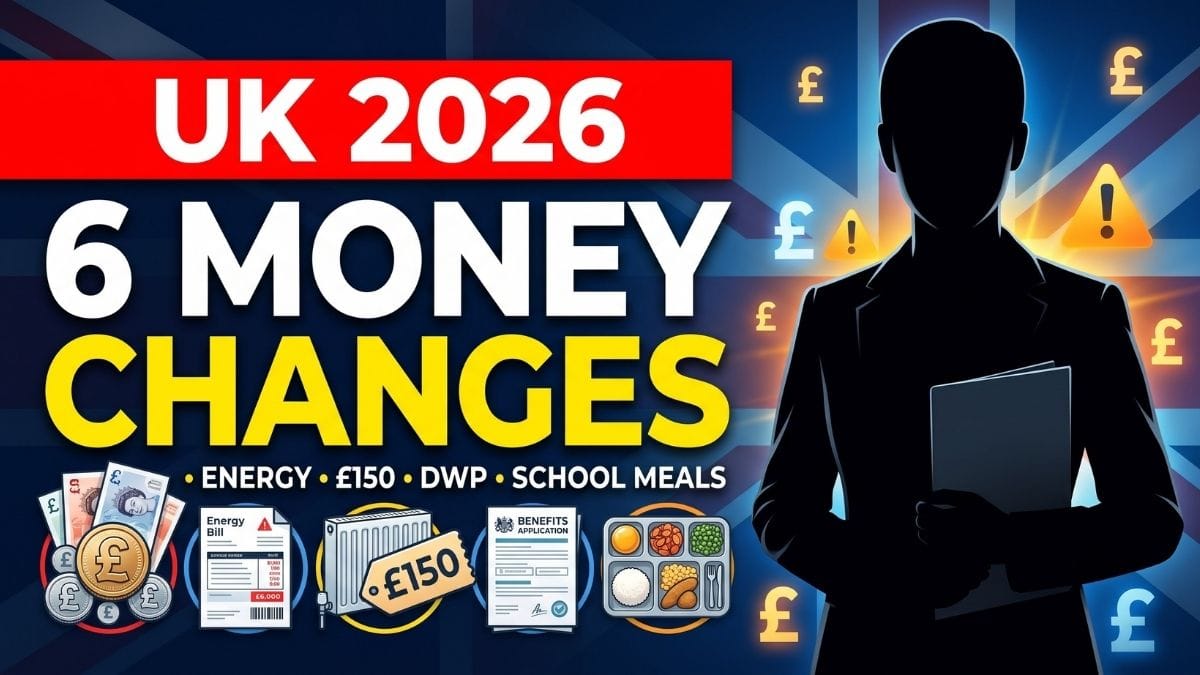
Here are six key changes to watch as the year moves into autumn and winter.
Energy
Household energy costs are expected to rise from October after Ofgem announced a 4% increase in the energy price cap.
The change affects households on standard variable tariffs rather than fixed deals. The average household using electricity and gas is expected to see its annualised bill rise by around £60 to £1,723.
That would make the average bill the highest since July 2023. Wholesale energy prices and international uncertainty have contributed to pressure on household energy costs.
However, the increase is lower than earlier forecasts. A proposed removal of VAT from household electricity bills is expected to reduce the impact of the October change. The government has indicated that removing VAT could reduce the annual Ofgem price cap by about £45.
The actual amount any household pays will still depend on energy consumption and tariff arrangements.
Fuel
The Winter Fuel Payment is returning for winter 2026 to 2027 and could provide eligible older people with between £100 and £300 toward heating costs.
People born on or before June 27, 1960, may qualify, subject to the applicable eligibility rules.
For most eligible recipients, the payment is made automatically. Those who qualify are expected to receive a letter in October or November explaining how much they will receive.
Payments are generally expected to be made during November and December 2026. The amount can vary depending on individual circumstances, including age and household arrangements.
Discount
The Warm Home Discount Scheme is due to reopen in October 2026. It provides a one-off £150 reduction on an eligible household’s electricity bill.
Unlike a cash benefit, the £150 is not paid directly to the recipient. Instead, the electricity supplier applies the discount to the bill.
Eligibility depends on meeting the scheme’s conditions. These can include receiving certain means-tested benefits, such as Universal Credit, Housing Benefit, income-related Employment and Support Allowance or Pension Credit.
The electricity account also needs to meet the relevant requirements. Under the rules outlined for 2026, the eligible person’s name must have been on the electricity bill on August 23, 2026.
Recovery
The DWP is gaining stronger powers to recover certain benefit debts directly from bank accounts under the Public Authorities (Fraud, Error and Recovery) Act 2025.
The measures are due to be enforced from October 2026 and form part of a wider government effort to address benefit fraud, administrative errors and outstanding debts.
Under the new powers, the DWP can in certain circumstances seek money directly from a person’s bank account without first obtaining a court order.
The government has said its broader programme aims to save £14.6 billion over five years through measures targeting fraud, error and debt.
People who receive notices about outstanding DWP debts should check the information carefully and contact the department if they believe the amount is incorrect or they need to discuss repayment.
Licences
The DWP will also have powers to seek the removal of driving licences in certain cases involving unpaid benefit-related debts.
The measure is part of the same legislation and is aimed at serious cases where other recovery methods have not been reasonably successful.
The legislation states that the measure can only be considered where the outstanding debt is at least £1,000 and it is not reasonably possible to recover the debt through another method.
The rules are particularly relevant to cases involving benefit fraud and debts arising after benefits have been stopped. Universal Credit, Pension Credit and Employment and Support Allowance are among the benefits with significant levels of reported fraud.
The power does not mean that every person with a benefit debt will automatically lose their driving licence. Specific conditions must be met before the measure can be considered.



Meals
A major change to free school meal eligibility is taking effect in England from September 2026.
Children in full-time education may qualify for free school meals where their parent or carer receives any amount of Universal Credit, subject to the new eligibility arrangements.
Previously, Universal Credit households generally needed to have earned below a specific income threshold to qualify.
The change could mean more children receive free school meals, reducing food costs for eligible families during the school year. With school meals worth hundreds of pounds annually per child, families receiving Universal Credit may want to check their eligibility with their local authority or child’s school.
The changes coming in the final months of 2026 cover both additional household support and tighter DWP recovery measures. Energy costs are expected to rise in October, while the Winter Fuel Payment and Warm Home Discount could help eligible households manage heating expenses. At the same time, new debt recovery powers will give the DWP additional tools, and Universal Credit families in England will face a broader route to free school meals from September.