A new proposal from a senior advocacy organization is drawing attention to the financial challenges facing millions of Americans who depend on Social Security. The Senior Citizens League (TSCL) is asking the incoming Congress to consider a one-time $1,400 stimulus payment for retirees receiving Social Security benefits.
The proposed payment is intended to help older Americans manage rising living expenses, including healthcare, housing, food, and other essential costs. According to the organization, annual Social Security Cost-of-Living Adjustments (COLAs) have not fully addressed the financial pressure many retirees experience as prices continue to increase.
However, there is an important distinction between a proposal and an approved federal payment. The $1,400 stimulus has not been introduced as legislation or approved by Congress. Social Security recipients should not consider it a confirmed payment or expect a distribution date at this stage.
The proposal comes as retirees prepare for the 2027 Social Security COLA and higher Medicare expenses. Here is what the organization is requesting, why it believes additional financial assistance is necessary, and what other changes it wants lawmakers to consider.
Proposal
The Senior Citizens League is an advocacy organization that focuses on protecting the financial interests of older Americans. Its work includes Social Security, Medicare, veterans benefits, and other issues affecting retirees.
The organization wants the incoming Congress to consider a one-time $1,400 payment for Americans receiving Social Security retirement benefits.
According to TSCL, the proposed payment would help compensate retirees for the purchasing power they have lost because of inflation and benefit increases that advocates consider insufficient.
Executive Director Shannon Benton said the incoming lawmakers have an important responsibility to protect older Americans while addressing the long-term financial challenges facing Social Security.
The organization believes that retirees should receive additional financial support as everyday expenses continue to place pressure on household budgets.
However, the proposal remains an advocacy initiative. Congress would need to introduce and approve legislation before any such payment could become available.
Purpose
The proposed $1,400 stimulus is intended to provide additional financial assistance to Social Security recipients facing higher living costs.
Many retirees depend heavily on monthly Social Security payments to cover essential expenses. Unlike workers who may have opportunities to increase their earnings, older Americans living on fixed incomes often have limited flexibility when prices rise.
Healthcare is one of the major concerns highlighted by advocates. Medical appointments, prescription medications, hospital services, and insurance expenses can consume a significant portion of a retiree’s monthly income.
When these expenses increase faster than household income, beneficiaries may find it more difficult to manage their regular budgets.
TSCL argues that a one-time payment could provide some financial relief without permanently changing the existing Social Security payment structure.
The organization has also described the proposed payment as tax-exempt. However, that treatment would depend on the legislation ultimately approved by Congress.
Inflation
Persistent inflation is one of the main reasons TSCL is calling for additional assistance.
Although the overall rate of price increases may fluctuate, retirees continue to face higher costs for several essential services. Medical expenses are particularly important because older Americans generally have greater healthcare needs than younger households.
According to the Consumer Price Index figures cited in the proposal, medical care items increased by 0.5%, medical services rose by 0.3%, and hospital services increased by 0.8% during the reported month.
These increases can affect retirees differently depending on their health conditions, insurance coverage, and access to medical services.
Food, rent, transportation, utilities, and prescription medications also contribute to household expenses. For someone relying primarily on Social Security, even relatively small increases across several categories can affect monthly financial planning.
This is why senior advocacy groups argue that the annual COLA does not always reflect the spending patterns of older Americans.
COLA
The Social Security Administration adjusts benefits annually through the Cost-of-Living Adjustment. The purpose is to help beneficiaries maintain purchasing power when consumer prices increase.
For 2027, the announced COLA is 3.6%. This adjustment is expected to increase monthly payments for eligible Social Security and Supplemental Security Income recipients.
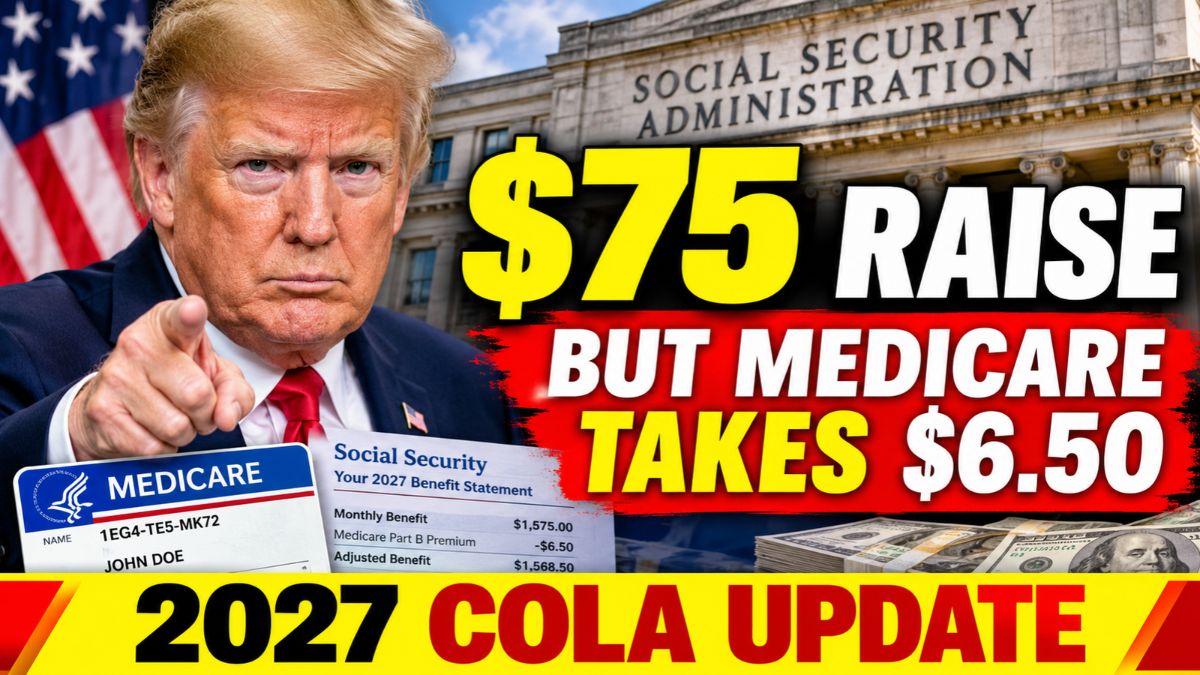
Based on the average increase cited in the proposal, retirees could receive approximately $75 more per month, although the actual amount will depend on their existing benefit.
For example, a beneficiary receiving $2,000 per month before a 3.6% adjustment would see an estimated increase of $72, bringing the monthly payment to $2,072.
However, a higher gross benefit does not necessarily mean retirees will have the same amount of additional money available to spend.
Medicare premiums and other deductions can reduce the net increase beneficiaries receive. This is one reason TSCL believes an additional one-time payment could help older Americans manage expenses.
Medicare
Rising Medicare costs are another concern behind the proposed stimulus.
According to the figures included in the proposal, Medicare Part B premiums will increase by $6.50 per month in 2027, representing an increase of approximately 3.2%. The annual Part B deductible will also rise by $9.
Part B generally covers outpatient medical services, doctor visits, preventive care, and certain medical equipment.
Since many Social Security beneficiaries have their Medicare premiums deducted directly from their monthly payments, higher premiums can reduce the amount deposited into their bank accounts.
For retirees who already face increasing prescription and healthcare expenses, these additional costs can make it harder to benefit fully from the annual COLA.
TSCL argues that a one-time $1,400 payment could help offset some of these financial pressures.
Reforms
The proposed stimulus is not the only change the Senior Citizens League wants Congress to consider. The organization is also advocating for broader reforms involving Social Security and healthcare programs.
Its requests include the following:
| Proposed change | What it would address |
|---|---|
| Lift or eliminate the Social Security payroll tax threshold | Changes to how earnings are subject to Social Security taxes |
| Restore Medicare and Medicaid budget cuts | Reconsideration of healthcare funding reductions under the One Big Beautiful Bill Act |
| Expand Medicare coverage | Adding dental, vision, and hearing benefits |
These proposals reflect the organization’s wider concerns about retirement security and access to affordable healthcare.
The request involving the Social Security payroll tax threshold is particularly significant because it concerns how the program receives funding. Changes to the threshold could affect the amount of earnings subject to Social Security payroll taxes.
Meanwhile, expanding Medicare coverage to include dental, vision, and hearing services could help beneficiaries manage healthcare expenses that are not generally covered under traditional Medicare in the same way as standard medical services.


Eligibility
At present, there are no official eligibility rules for the proposed $1,400 payment because Congress has not approved the initiative.
TSCL wants the payment to cover American retirees receiving Social Security benefits. However, the final eligibility requirements, if legislation is introduced and passed, would depend on the terms of that legislation.
There is also no confirmed application process, payment schedule, or distribution method.
Social Security recipients should be cautious about websites or messages claiming that the $1,400 stimulus has already been approved or that beneficiaries must pay a fee to claim it.
The Social Security Administration’s official website remains the appropriate source for confirmed information about federal Social Security payments and program announcements. Readers can also follow the Senior Citizens League for updates about its advocacy proposals.
For now, the $1,400 stimulus remains a request directed at Congress, not an approved federal benefit. The proposal highlights continuing concerns about inflation, Medicare expenses, and the purchasing power of retirement income. Whether lawmakers decide to consider the payment will depend on future legislative discussions and federal budget decisions.