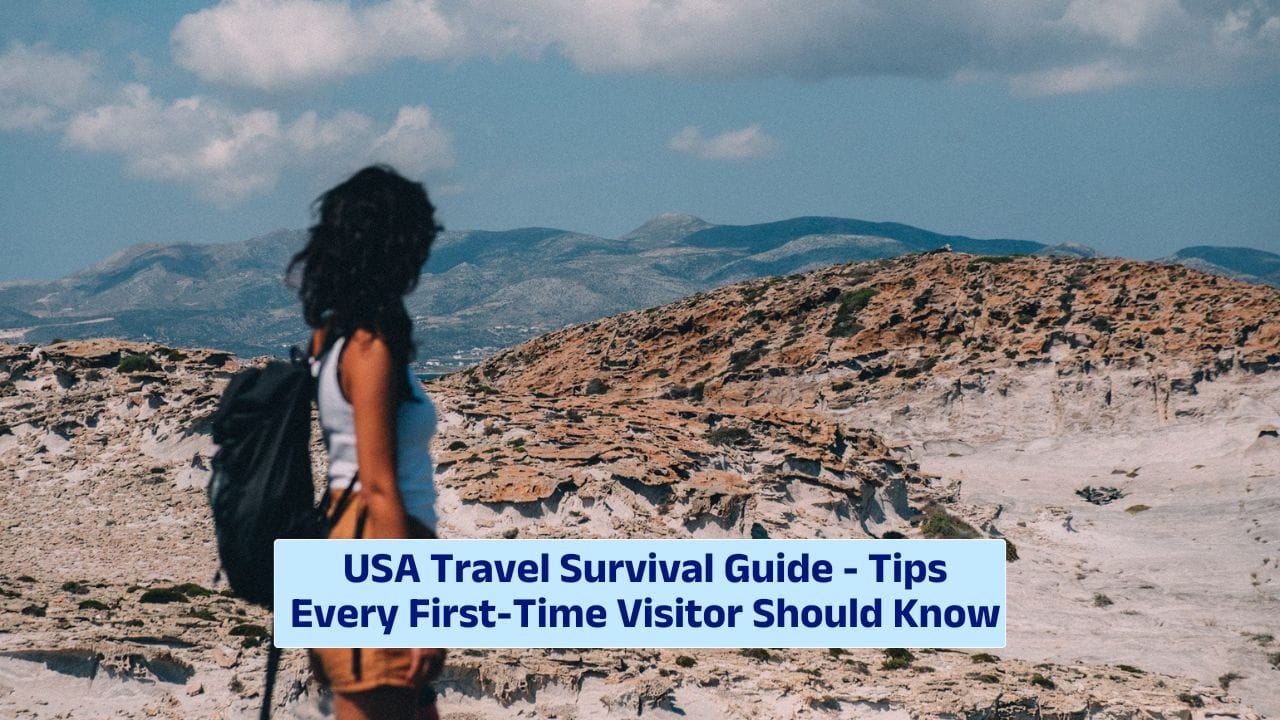
Traveling to the USA for the first time? Exciting—but let’s be honest, it can also be overwhelming. The country is massive, the culture is fast-paced, and things don’t always work the way you might expect.
Whether you’re heading to New York City, Los Angeles, or somewhere in between, this survival guide is packed with practical, real-world tips to help you travel smarter, safer, and stress-free across the United States.
Entry
First things first—visa and documentation. Unless you’re from a country with a Visa Waiver Program (VWP), you’ll likely need a visa to enter the U.S. Citizens of VWP countries must apply for ESTA (Electronic System for Travel Authorization) before boarding.
Here’s a quick checklist for entry:
- Valid passport (with at least 6 months’ validity)
- Approved ESTA or visa
- Return or onward ticket
- Address of where you’re staying (you’ll need this at customs)
Pro tip: Be polite and clear with immigration officers. A smile and honesty go a long way.
Money
The U.S. dollar (USD) is the official currency, and cash is still widely accepted. But here’s the real scoop—credit and debit cards are king in the U.S.
Tipping is expected almost everywhere, especially in:
- Restaurants (15–20%)
- Taxis and ride shares (10–15%)
- Hotel staff ($1–2 per bag or per night)
Also, sales tax isn’t included in most listed prices, so expect to pay a little more than what’s on the tag.
Transport
The U.S. is huge, and how you get around depends on where you are:
- Big cities like New York, Chicago, and D.C. have solid public transport.
- Smaller towns and suburbs? You’ll probably need a car.
- Apps like Uber, Lyft, and Google Maps are your best friends.
Amtrak and Greyhound buses can be great for cross-country travel, but don’t expect European-level train service. Flying between states is often the fastest option due to distance.
Accommodation
The U.S. has it all—budget motels, mid-range hotels, Airbnbs, and luxury resorts. A few survival tips here:
- Book in advance, especially in big cities and tourist spots.
- Most hotels require a credit card for check-in, even if you’ve prepaid.
- Check for hidden fees like resort charges or parking fees.
If you’re traveling solo or on a budget, hostels are available in major cities, but not as common as in Europe or Asia.
Food
Food in the USA is… everywhere. From fast food chains to high-end dining, you’ll find it all. But portion sizes? They’re massive.
Try some American classics:
- Burgers, BBQ, and bagels
- Tex-Mex, Southern fried chicken, and New York-style pizza
- Diners for a taste of old-school Americana
Vegetarian, vegan, gluten-free, and halal options are increasingly available, especially in urban areas.
Tap water is safe to drink almost everywhere—bring a reusable bottle to stay hydrated and save money.
Safety
Generally, the U.S. is safe for tourists. That said, some areas of big cities are better avoided, especially at night. Here are a few safety pointers:
- Keep valuables hidden in public.
- Use official taxi apps or rideshares after dark.
- 911 is the emergency number—easy to remember.
Also, travel insurance is a must. Healthcare is expensive—even a minor issue could cost thousands without coverage.
Culture
The U.S. is super diverse—culturally, regionally, and politically. What flies in California might not in Alabama. Keep an open mind and be respectful of differences.
- Americans are friendly but value personal space.
- Tipping and queuing are serious business.
- Don’t be surprised by casual small talk from strangers—it’s normal.
Lastly, be punctual. The U.S. runs on a tight schedule, especially in cities and professional settings.
Connectivity
Wi-Fi is available in most places—cafes, hotels, airports, and even buses. For longer stays, consider a local SIM card from T-Mobile, AT&T, or Verizon.
You can also use international roaming, but it can get pricey. A prepaid SIM or eSIM is usually the smarter choice.
Essentials
Here’s a quick checklist of must-haves for your trip:
| Item | Why You Need It |
|---|---|
| Passport & visa/ESTA | Entry requirement |
| Travel insurance | Emergency protection |
| Credit/debit card | Payments and hotel check-ins |
| Power adapter (Type A/B) | U.S. uses 110V with flat prongs |
| Reusable water bottle | Stay hydrated, avoid buying bottled |
| Health essentials | Medications, proof of vaccinations |
You made it to the end of the survival guide—congrats! Traveling the U.S. for the first time doesn’t have to be intimidating. With a bit of prep, some cultural awareness, and the tips above, you’ll be investigating like a local in no time. From coast to coast, there’s a lot to see, so pack your curiosity, stay flexible, and enjoy every mile of the journey.
FAQs
Do I need a visa for the USA?
Yes, unless you’re from a Visa Waiver Program country.
Is tipping required in the USA?
Yes, tipping is expected in most service industries.
Can I drink tap water?
Yes, tap water is safe to drink across most of the U.S.
Is public transport reliable?
Only in major cities; elsewhere, a car is useful.