For many older adults, Social Security is an important source of retirement income and financial security. Managing benefits, keeping track of paperwork, using online services, and recognizing scams can sometimes become difficult. Support from a trusted family member, friend, neighbor, or caregiver can make these tasks easier.
The purpose of that support is not to take control of an older adult’s finances or benefits. Instead, it can help them stay informed, complete routine tasks, and respond carefully when something seems unusual. A regular phone call, assistance with an online account, or reminder about common scams can provide useful support.
Benefits
Social Security benefits are an important part of retirement planning for millions of Americans. Helping an older loved one stay connected to their benefits can make it easier to access information and complete certain tasks.
One option is to help them create a free and secure my Social Security account at www.ssa.gov/myaccount. The account provides online access to certain Social Security information and services, reducing the need to handle every request by phone or in person.
Depending on eligibility, users can use a personal my Social Security account to review benefit information, obtain a benefit verification letter, update direct deposit and certain contact information, request replacement Social Security or Medicare cards, and receive important notices online.
For an older adult who is unfamiliar with online services, having someone sit with them during the process can be helpful. A patient explanation of each step may make the service easier to understand and use independently later.
Support
Changes in everyday routines can sometimes indicate that an older adult could benefit from additional assistance. Family members and friends may notice these changes during regular visits or conversations.
Support can take many forms. Someone might help organize important documents, keep track of appointments, set reminders, or explain information from a trusted source. Encouraging safer online habits can also help, especially when an older adult receives unexpected messages or calls involving Social Security.
Regular contact is useful for another reason. It gives older adults an opportunity to discuss confusing or unusual situations before making a decision. A simple question such as whether they have received an unexpected government-related call can lead to an important conversation.
The level of assistance should depend on the individual’s needs. In many situations, the most appropriate approach is to provide guidance while allowing the older adult to remain involved in decisions affecting their benefits and finances.
Scams
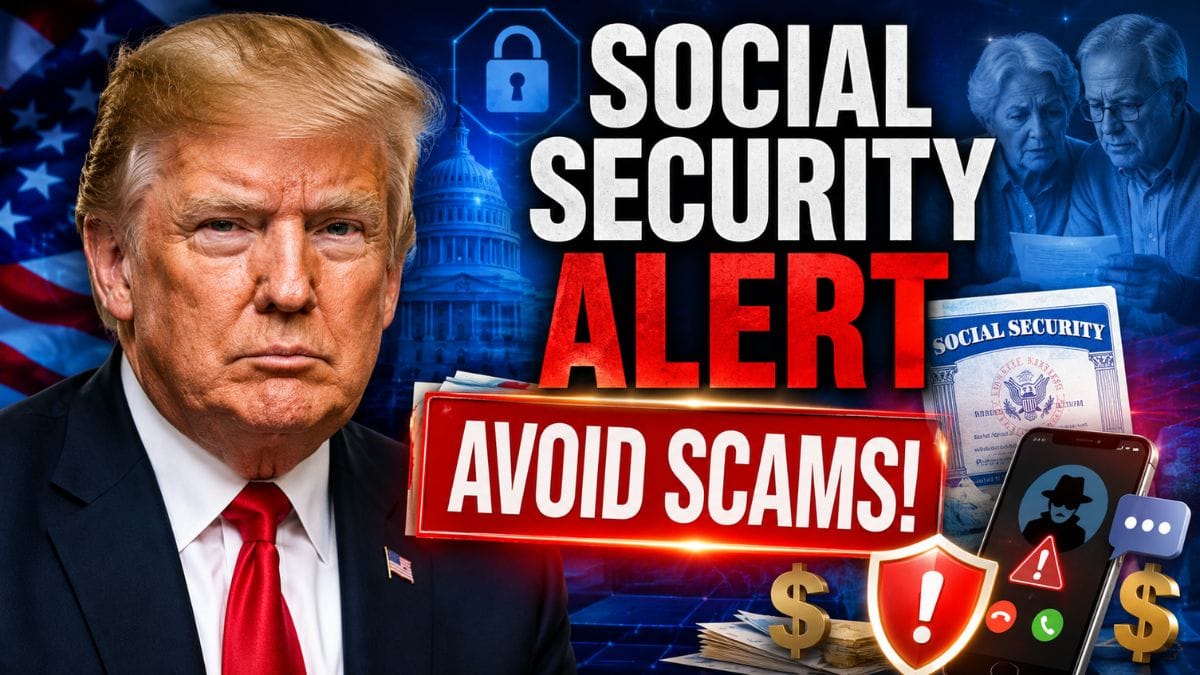
Older adults can be targeted by criminals who impersonate government agencies. Social Security-related scams may involve phone calls, emails, text messages, or other communications designed to make a person believe there is a problem with their benefits or money.
Scammers may create urgency by claiming that benefits will be suspended or that money must be moved immediately. These tactics are intended to discourage the recipient from taking time to verify the information.
The Social Security Administration and other government agencies have warned the public about government impostor scams. One important warning sign is a person claiming that money is unsafe and instructing someone to move it to protect it. Such a request should be treated as suspicious.
Another warning sign is a demand for immediate payment accompanied by a threat to suspend government benefits. People should be cautious when a caller uses fear or pressure to obtain money or personal information.
Payment instructions can also provide a useful clue. Government officials will not demand payment through gift cards, cryptocurrency, wire transfers, or payment apps as a condition for protecting government benefits.
Protection
Older adults can reduce the risk of scams by taking time to verify unexpected requests. A person does not need to respond immediately simply because a caller says the matter is urgent.
A practical approach is to pause, check the information independently, and discuss the situation with someone trusted when necessary. If a caller claims to represent Social Security, it is safer to use contact information from an official government source rather than relying on a phone number, website, or link supplied during the unexpected communication.
Families can also discuss scams before a suspicious situation occurs. Talking about common warning signs can make it easier for an older adult to recognize unusual requests when they encounter them.
If someone becomes the victim of a Social Security-related scam or suspects fraud, the Social Security Office of the Inspector General provides information about reporting concerns at oig.ssa.gov.



Independence
Providing assistance does not have to mean taking away an older adult’s independence. In many cases, the most useful support is simply being available when questions arise.
Family members and caregivers can help with unfamiliar technology, paperwork, appointments, or information from government agencies while keeping the older adult involved in the process. This approach can provide practical assistance without unnecessarily limiting the person’s ability to manage their own affairs.
Staying connected also has a broader benefit. Older adults are parents, grandparents, neighbors, mentors, veterans, caregivers, and friends. Regular contact can help them remain connected to their families and communities while providing an opportunity to identify concerns early.
Managing Social Security benefits is only one part of supporting an older adult. Helping someone access trusted information, recognize potential scams, and handle routine tasks can make these responsibilities easier. Regular communication and practical assistance can also help older adults remain informed and confident when dealing with their benefits.