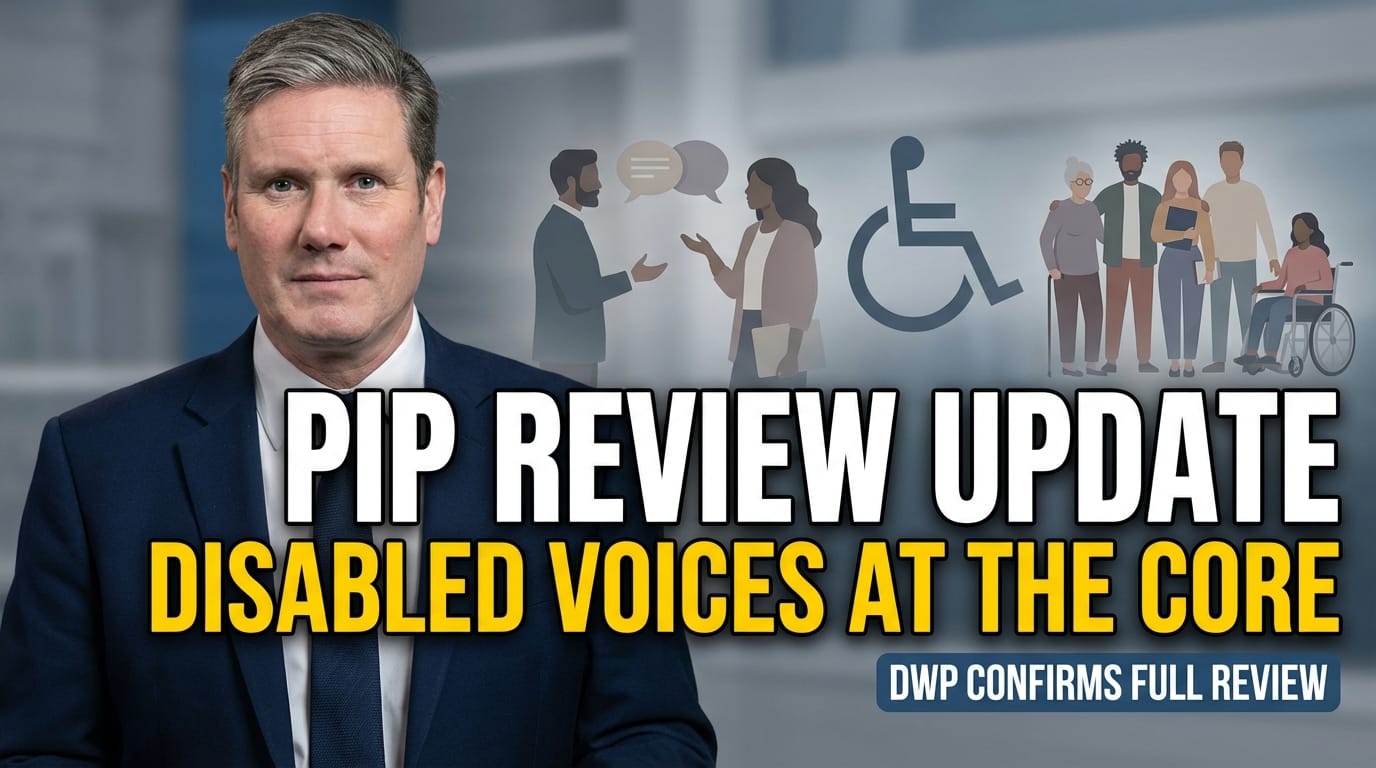
The Department for Work and Pensions (DWP) has confirmed that the first comprehensive review of Personal Independence Payment (PIP) is now under way, with disabled people placed at the centre of the process.
The government has announced the appointment of 12 members to a new steering group, all of whom bring lived experience of disability or long-term health conditions. The group will help guide the scope, priorities and work plan of the review, known as the Timms Review.
Review
The review will be co-chaired by Social Security and Disability Minister Sir Stephen Timms, alongside Sharon Brennan and Dr Clenton Farquharson CBE. Together with the steering group, they will provide strategic oversight and ensure the review reflects the realities faced by disabled people today.
The Timms Review will report to the Secretary of State for Work and Pensions by autumn 2026, with an interim update expected before then.
Focus
The review will examine how PIP supports disabled people to live independently and achieve better health outcomes. It will also look closely at the current assessment criteria and whether the process effectively connects claimants to the right support across the wider benefits system.
Sir Stephen Timms said disabled people deserve a system that supports independence and dignity and reflects modern lived experience. He said placing disabled people at the heart of the review would help shape changes aimed at improving access to appropriate support.
Participation
Co-chair Sharon Brennan said the composition of the steering group demonstrates a commitment to co-production, with members drawn from diverse backgrounds, professions, regions and protected characteristics.
She also stressed that the review will go beyond the steering group. Wider engagement is planned to gather evidence and views from a much broader range of disabled people and stakeholders throughout the process.
Context
The review comes amid a sharp rise in PIP claims. In 2019, around two million working-age people were receiving PIP. That figure increased by around 50 percent over the next five years and is projected to rise to more than four million by the end of the decade.
The growth has increased pressure on the benefits system and intensified debate about how disability support is assessed and delivered.
PIP
Personal Independence Payment is designed to help with extra costs linked to long-term physical or mental health conditions or disabilities that affect daily living or mobility.
PIP can be claimed regardless of employment status or savings and alongside most other benefits. It is made up of two components:
- A daily living component for help with everyday tasks
- A mobility component for help with getting around
Eligibility and payment levels depend on how a condition affects a person’s ability to manage daily activities and mobility, rather than the condition itself.
Next Steps
The DWP says findings from the review will inform future policy decisions on disability benefits. Any changes would follow further consultation and parliamentary scrutiny.
For now, existing PIP rules remain unchanged while the review progresses.
FAQs
What is the Timms Review?
A full review of Personal Independence Payment.
Who is leading the PIP review?
Sir Stephen Timms with two co-chairs.
When will the review report?
By autumn 2026, with an interim update before then.
Will PIP rules change immediately?
No, current rules remain in place during the review.