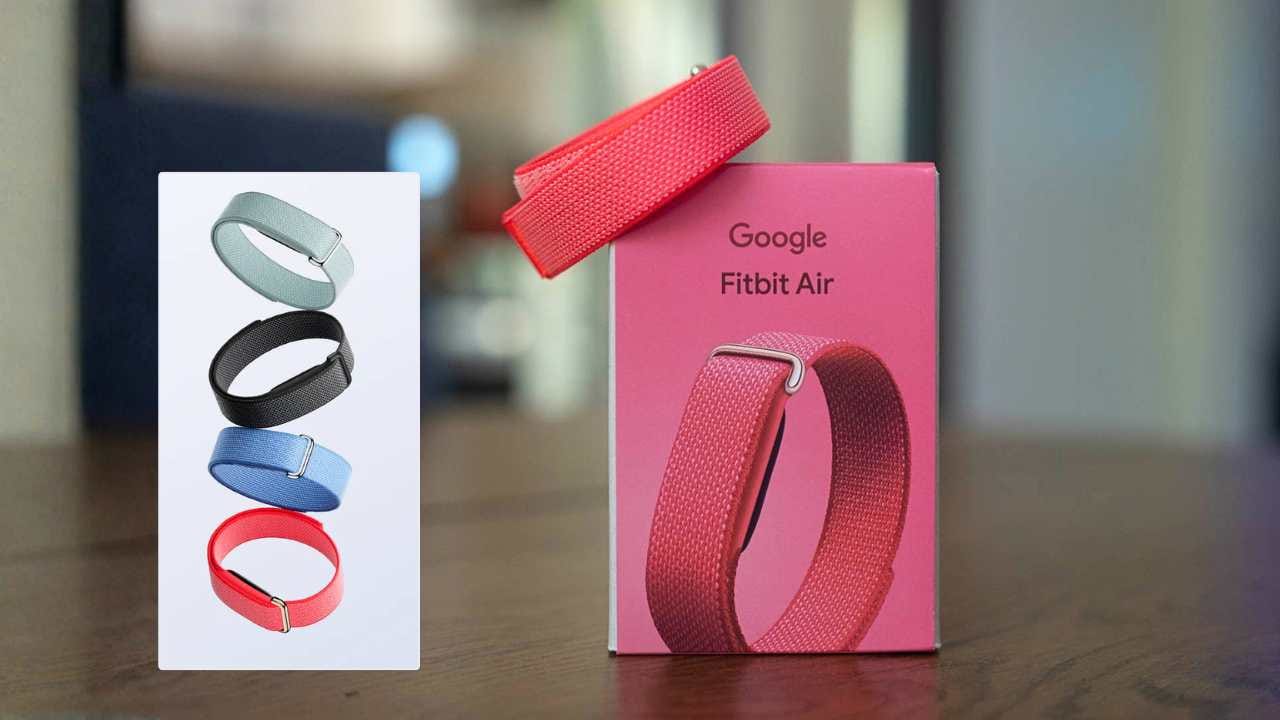
Fitbit Air is emerging as one of Google’s most aggressive wearable launches in years, combining lightweight hardware, AI-powered health insights, and a lower entry price aimed directly at mainstream smartwatch buyers in the United Kingdom. Early reviews from major technology publications suggest the device is positioned as a serious alternative to premium fitness subscriptions and expensive health trackers, particularly for users seeking simplified wellness data without the bulk of traditional smartwatches.
The wearable arrives at a critical moment for Google’s hardware ecosystem. Competition from Apple Watch, Garmin, and Whoop has intensified across Europe, while consumers increasingly expect personalized health intelligence instead of basic activity tracking. Fitbit Air attempts to address that shift with Google AI integration, lightweight construction, and battery efficiency designed for all-day and overnight use.
| Product Positioning | Affordable AI focused Fitbit wearable from Google |
| Core Feature | AI health coaching with personalized fitness feedback |
| Battery Performance | Multi day battery life with sleep tracking support |
| Target Audience | Casual fitness users and wellness focused consumers |
| Competitive Focus | Challenges entry level Apple Watch and Whoop devices |
| UK Market Appeal | Lower pricing strategy may boost adoption in Britain |
A lighter Fitbit strategy
Google appears to be repositioning Fitbit around accessibility and intelligence rather than premium luxury hardware. Fitbit Air reportedly weighs significantly less than most full size smartwatches, creating a more comfortable experience during sleep tracking and extended fitness sessions.
That design choice matters in the UK wearable market, where consumer demand increasingly favors smaller, less intrusive devices. Fitbit Air focuses heavily on passive health monitoring instead of overwhelming users with advanced athletic metrics that many casual consumers never use.
According to Engadget’s early review, Google’s AI coaching tools stand out more than the hardware itself. The device reportedly delivers contextual wellness suggestions based on sleep, recovery, movement, and stress patterns rather than simple step counts.
AI becomes the main feature
Fitbit Air demonstrates how AI is becoming central to consumer health technology. Instead of presenting raw data dashboards, Google is pushing actionable recommendations designed for everyday users.
The AI coach reportedly analyzes daily routines and generates adaptive wellness suggestions, including exercise intensity guidance, recovery alerts, and sleep recommendations. This approach moves Fitbit beyond traditional fitness tracking into preventive health engagement.
That strategy could reshape Google’s broader wearable ambitions. AI driven coaching offers recurring engagement opportunities that subscription focused competitors like Whoop have successfully used to build long term customer loyalty.
Coverage from CNET’s hands on testing highlights how Fitbit Air simplifies health tracking for mainstream consumers who may find advanced fitness ecosystems too complex or expensive.
Battery life remains critical
Battery efficiency continues to be one of the most important differentiators in the wearable industry. Fitbit Air reportedly delivers multi day usage without daily charging, which remains a major weakness for several smartwatch competitors.
That advantage is particularly important for sleep monitoring. Consumers are unlikely to consistently wear health devices overnight if charging interruptions become routine. Google appears to recognize that seamless continuous tracking matters more than adding excessive smartwatch functions.
The lightweight construction also supports longer wear periods. Early testers noted that Fitbit Air feels closer to a wellness band than a traditional smartwatch, helping reduce fatigue during extended use.
Google’s ecosystem expansion
Fitbit Air may also play a strategic role inside Google’s wider hardware and AI ecosystem. The device creates another consumer entry point into Google Health services, Pixel devices, and AI powered personalization tools.
Industry analysts increasingly view wearables as long term health engagement platforms rather than standalone gadgets. Fitbit Air reflects that transition by prioritizing continuous user interaction through AI recommendations and wellness summaries.
Google’s pricing strategy could also strengthen adoption in the UK market, where consumers have become more cautious about premium electronics spending. A lower cost AI wearable positioned below flagship smartwatches creates stronger mass market potential.



Competition is intensifying
The wearable sector remains highly competitive, especially as Apple, Samsung, Garmin, and emerging subscription based fitness brands continue expanding health focused ecosystems. Fitbit Air enters that environment with a simpler proposition centered on affordability, comfort, and AI guidance.
That could resonate strongly with consumers who want meaningful wellness support without the complexity of professional sports analytics. Instead of targeting elite athletes, Fitbit Air appears optimized for broader lifestyle health management.
Google still faces challenges around differentiation, long term software support, and proving that AI generated health suggestions provide measurable value. However, Fitbit Air signals a clearer product identity for Fitbit than previous generations that often struggled to balance smartwatch ambitions with fitness tracking roots.
For the UK technology market, Fitbit Air represents more than another wearable release. It reflects how consumer health devices are evolving into AI powered daily wellness companions, where software intelligence may soon matter more than hardware specifications alone.