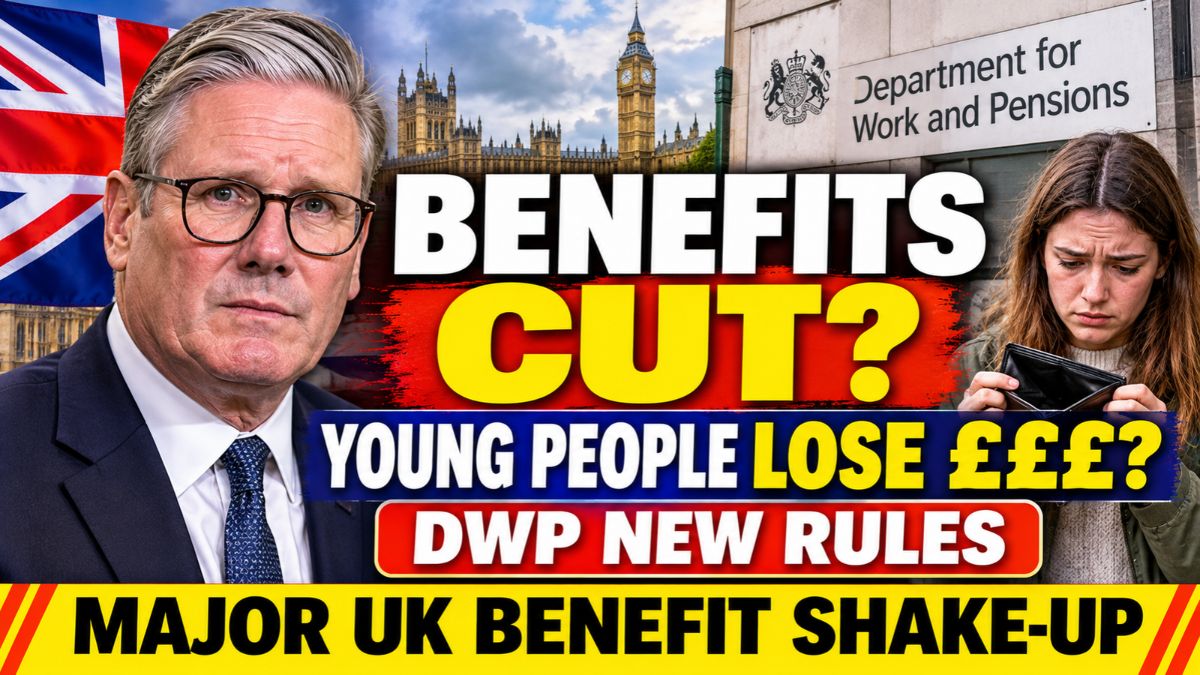
The UK Government is considering major changes to the benefits system for young people, with some claimants potentially receiving less financial support if they do not take up opportunities for employment, education, or training. The proposed reforms are part of a wider effort to address rising youth unemployment and the growing number of young people who are not in education, employment, or training.
Work and Pensions Secretary Pat McFadden has confirmed that some young people could receive lower benefit payments under the planned changes. The proposals are expected to feature in an independent review led by former Labour health secretary Alan Milburn, which is scheduled for publication on November 17.
The review comes as the number of 16 to 24-year-olds classified as not in education, employment, or training (NEET) has exceeded one million. The Government wants to improve access to jobs, training opportunities, and employment support while reducing long-term dependence on welfare payments.
However, the proposed changes have raised questions about how young people with health conditions and limited work opportunities will be affected. Here is what the DWP shake-up could involve and why some claimants may receive less financial assistance.
Changes
One of the central proposals expected in Alan Milburn’s review involves changing the way some young people receive health-related benefits.
Reports suggest that certain young claimants currently receiving health-related financial support could be moved onto a new system called the Youth Allowance. This payment would be set at the standard rate of Universal Credit.
The change could mean lower payments for some individuals, particularly those who currently receive additional financial support because of health conditions or disabilities.
Milburn has acknowledged that his proposals could leave some young people with less money. However, the wider objective is to encourage more young people to access employment opportunities and receive support that helps them move towards financial independence.
The proposed Youth Allowance would form part of a broader approach that places greater emphasis on employment assistance, education, and skills development.
The final impact would depend on the eligibility rules, payment rates, and protections included in any legislation introduced by the Government.
Eligibility
Another significant part of the proposed reforms involves a legal guarantee of employment, training, or other support for young people.
Under the reported plans, eligible individuals could be offered opportunities to improve their employment prospects through work placements, training programmes, or assistance with finding suitable jobs.
However, accepting reasonable opportunities could become an important condition of receiving financial support.
Young people who refuse suitable offers of work, training, or employment assistance could potentially face benefit reductions or lose access to certain payments.
The Government believes a stronger legal framework could encourage participation while giving young people clearer information about the support available to them.
There are also questions about how the rules would apply to people with disabilities, mental health conditions, caring responsibilities, or other circumstances that make employment difficult.
These details will be particularly important because not every young person receiving benefits will be in a position to take up a job immediately.
National Insurance
The proposed reforms are not limited to benefit payments. Alan Milburn is also expected to recommend changes to employer National Insurance contributions to encourage businesses to hire younger workers.
According to reports, the proposal would gradually reduce employer National Insurance contributions for employees aged 21 to 24 over a five-year period.
The initial focus could be on industries such as retail and hospitality, which employ significant numbers of younger workers.
One reported measure involves increasing the earnings threshold at which employers begin paying National Insurance contributions for workers in this age group.
The threshold could rise from £5,000 to £10,000, potentially reducing employment costs for businesses that hire young people.
However, the changes would reportedly depend on economic conditions and would only be introduced when the Government considers it financially appropriate.
Milburn is also expected to argue that a broad tax reduction would not necessarily be the most effective way to spend public money. If businesses receive financial incentives but young people still cannot secure jobs, the wider economic benefits could remain limited.
Government
Work and Pensions Secretary Pat McFadden has expressed support for strengthening employment support through a legal guarantee.
Speaking to Sky News’ Sunday Morning programme, he argued that young people should have greater certainty about the opportunities and assistance available to them.
He suggested that the Government needed to approach welfare reform differently, explaining that changes were necessary because of Labour’s wider commitment to helping people into work.
The proposals could nevertheless face political challenges in Parliament.
Last year, the Government was forced to soften proposed welfare changes following opposition from Labour MPs. Ministers will therefore need to consider how the latest recommendations affect vulnerable claimants before introducing any new legislation.
Opposition politicians have also expressed different views.
Shadow Work and Pensions Secretary Helen Whately questioned whether the proposed legal entitlement would be practical. However, she indicated support for shifting the system away from relying primarily on financial payments for people with relatively mild health conditions and towards employment assistance.
Reform UK’s Danny Kruger also welcomed suggestions that benefit rules for young people should place greater emphasis on employment and participation in training.
Education
The independent review is also expected to address early childhood development and school readiness.
One recommendation could involve increasing the proportion of children considered ready for school when they begin reception from 75% to 90%.
This reflects concerns that some children are starting primary school without having developed basic everyday skills.
Milburn has reportedly highlighted difficulties with activities such as using cutlery and going to the toilet independently.
Improving early childhood development is considered relevant to the wider youth employment challenge because educational outcomes can influence future opportunities.
Children who struggle with basic skills during their early school years may require additional support as they progress through education.
The proposed target would therefore place greater emphasis on preparing children for school before they enter formal education.
Outlook
Alan Milburn’s review is expected to present a broader strategy for tackling youth unemployment rather than focusing exclusively on reducing benefit spending.
The challenge is significant, with more than one million young people reportedly outside education, employment, or training. Addressing the issue could require substantial public investment, better access to vocational training, and stronger links between employers and education providers.
Milburn has previously suggested that reducing youth unemployment could take around a decade and require billions of pounds. He has also warned that straightforward benefit reductions may not solve the underlying problem if young people remain unable to find suitable work.
For claimants, the most important issue will be how the Government translates the review’s recommendations into actual policy. Changes to Youth Allowance, employment conditions, and health-related benefits could affect household incomes, but the precise rules will depend on decisions made after the review.
The proposed DWP shake-up could significantly change the relationship between benefits and employment support for younger people. While the Government wants to improve employment opportunities and encourage participation in training, some young claimants could face lower payments if the reforms proceed. The balance between encouraging work and protecting people who genuinely need financial assistance will be central to the debate as ministers consider the recommendations.
FAQs
What DWP changes are being proposed?
The proposals include a new Youth Allowance and stronger employment requirements.
Who could receive less benefits?
Some young people currently receiving health-related benefits could be affected.
What is the proposed Youth Allowance?
It is a proposed payment linked to the standard rate of Universal Credit.
Could refusing training affect benefits?
Under the reported plans, refusing suitable support could lead to benefit reductions.