Social Security has long been the subject of confusion and misinformation. One persistent claim is that the program is on the verge of collapse. That is not accurate. Social Security is not going bankrupt, and it will not suddenly stop paying benefits. Payroll taxes continue to flow into the system through FICA deductions, providing ongoing funding.
Still, the program faces a serious long-term financing challenge. A key deadline is approaching sooner than previously expected, and it has implications for workers planning their retirement as well as for those already receiving benefits.
Reality
Each paycheck includes a contribution to Social Security, and those payroll taxes are used to pay current beneficiaries. This structure ensures the program continues to operate even when financial pressures increase.
The challenge lies with the trust fund reserves. For many years, Social Security collected more revenue than it paid out, building a surplus. As the population ages and more baby boomers retire, benefit payments have begun to exceed incoming revenue. As a result, the trust fund is being drawn down.
Timeline
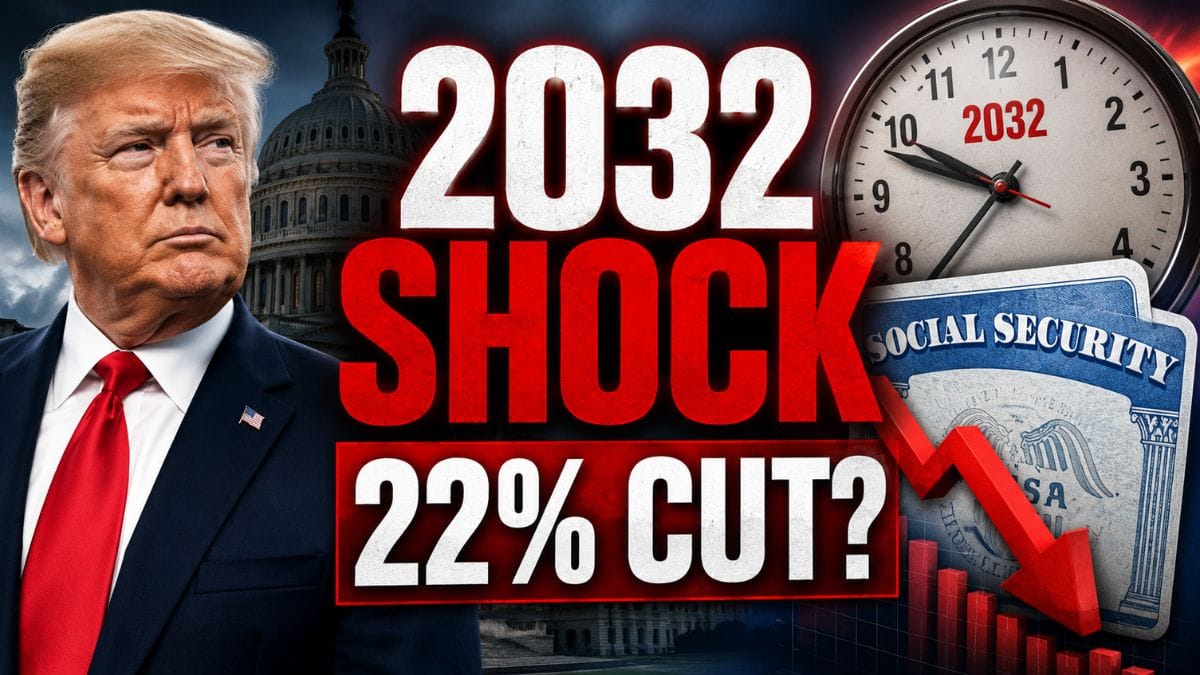
The Social Security Trustees’ latest annual report projects that the Old-Age and Survivors Insurance Trust Fund will exhaust its reserves by the end of 2032. This estimate is earlier than projections in prior reports, reducing the amount of time available for policymakers to address the issue.
Once the reserves are depleted, Social Security would continue to receive payroll tax revenue. However, those revenues are expected to cover only about 78% of scheduled benefits.
Impact
If no legislative changes are made before the trust fund is depleted, benefits would be reduced to match incoming revenue. That would translate to an approximate 22% reduction in monthly payments.
The potential effect on retirees can be illustrated below:
| Scheduled Monthly Benefit | Estimated After Cut |
|---|---|
| $1,500 | $1,170 |
| $2,000 | $1,560 |
| $2,500 | $1,950 |
For individuals who rely heavily on Social Security as a primary income source, even a moderate reduction could require adjustments to household budgets.
Action
Congress has intervened in the past when Social Security faced funding challenges, and similar action remains possible. Options could include increasing payroll taxes, modifying benefit formulas, or adjusting the full retirement age.
The timing of any policy response is important. Delayed action can limit the range of gradual changes available, increasing the likelihood of more abrupt adjustments later.
Workers
For those still in the workforce, the uncertainty surrounding future benefits underscores the importance of personal retirement savings. Increasing contributions to employer-sponsored retirement plans can help offset potential reductions in Social Security income.
Even modest increases can be meaningful. For example, raising a 401(k) contribution rate from 6% to 7% over time can improve long-term retirement readiness without requiring drastic changes to current spending.
Near
Individuals approaching retirement may want to evaluate how their income plans would hold up under a potential reduction in Social Security benefits. Stress-testing retirement projections can help identify vulnerabilities.
In some cases, delaying retirement by a year or two may improve overall financial stability by increasing savings and raising future monthly Social Security benefits.
Retired
Those already retired may have fewer options, but flexibility remains important. Reviewing discretionary spending and identifying modest cost reductions can help manage potential income constraints.
Some retirees also consider part-time work as a way to supplement income. Even limited earnings can help reduce reliance on savings.
Outlook
Social Security’s financial challenges are not hypothetical, and the projected 2032 deadline has brought renewed urgency to the discussion. While legislative action is likely, the outcome and timing remain uncertain.
Planning with conservative assumptions can help individuals better prepare for a range of possible outcomes. When combined with personal savings and careful budgeting, Social Security can continue to serve as a stable component of retirement income, even amid ongoing policy debates.