The possibility of a higher Social Security payment in 2027 is likely to attract attention from millions of Americans who depend on monthly benefits to cover housing, groceries, healthcare, and other essential expenses. However, as discussions about the next cost-of-living adjustment (COLA) continue, beneficiaries should be careful about messages promising to increase their payments in exchange for money or personal information.
Some scams claim that recipients must activate their 2027 COLA, complete a special application, or pay a processing fee to receive a higher monthly check. Others impersonate government employees and direct people to websites designed to collect Social Security numbers, banking information, and other sensitive details.
The key point is that you cannot purchase a higher Social Security benefit, and an approved COLA does not require a separate activation fee. The Social Security Administration (SSA) determines benefits under federal rules, and eligible recipients generally receive approved cost-of-living adjustments automatically.
Knowing how these schemes operate, what the official rules say, and where to verify information can help beneficiaries avoid unnecessary financial losses.
COLA
The Social Security cost-of-living adjustment is designed to help benefits keep pace with inflation. It adjusts payments according to changes in consumer prices, using a formula established under federal law.
The annual adjustment is based on changes in the Consumer Price Index for Urban Wage Earners and Clerical Workers (CPI-W). The calculation compares the average index for the third quarter of the current year with the corresponding period from the previous year in which a COLA was determined.
If the formula produces an increase, eligible Social Security and Supplemental Security Income (SSI) recipients receive adjustments according to the applicable program rules.
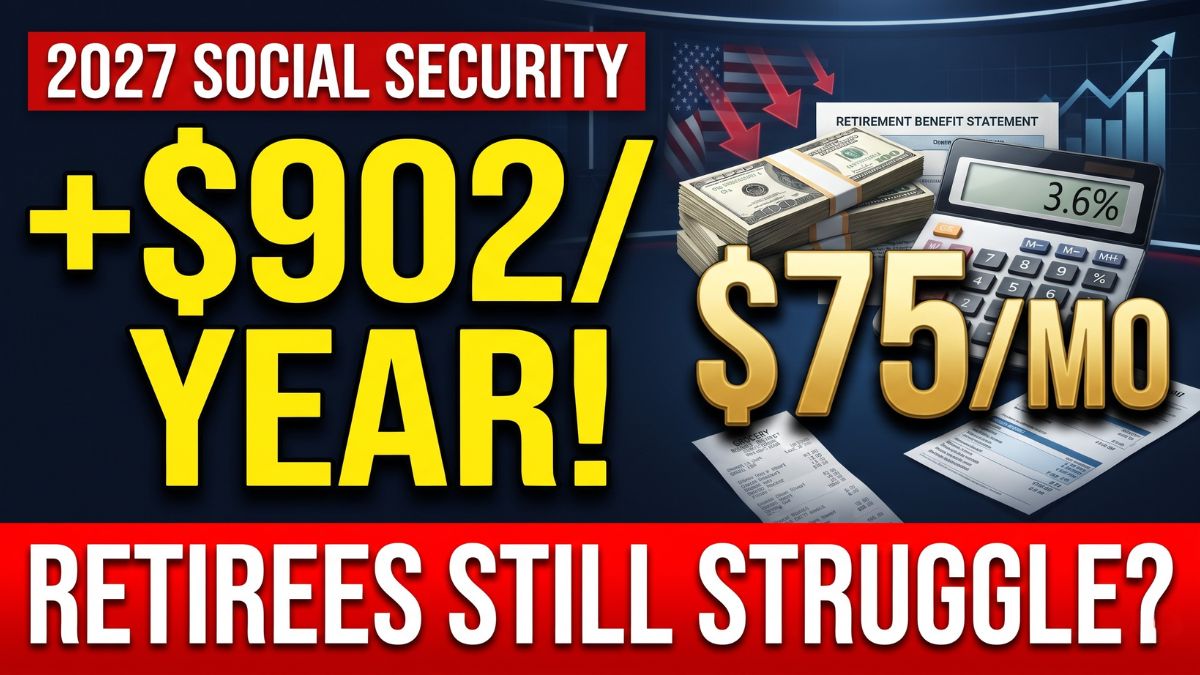
For beneficiaries, the adjustment can affect monthly household budgets. Even a modest percentage increase may help offset higher expenses for prescription medicines, food, transportation, and utilities.
However, the actual 2027 COLA should be confirmed through official government announcements rather than advertisements, social media posts, or unsolicited messages. Anyone promising a guaranteed increase before the official announcement should be treated cautiously.
Beneficiaries can review the SSA’s explanation of the adjustment process through its official COLA information page.
Scams
Social Security-related fraud can take several forms. One common approach involves contacting beneficiaries with an offer to increase their monthly payments.
A caller might claim to be a government representative who can review a person’s record and secure a larger check. Another message might advertise a special service that supposedly helps recipients unlock a COLA increase for a one-time fee.
These claims can sound plausible because Social Security benefits are complicated, and many recipients want to understand whether they qualify for additional assistance.
In reality, a private company cannot simply negotiate a higher benefit with the SSA in exchange for payment. Although legitimate professionals may provide financial planning, tax preparation, or assistance with certain benefit applications, they cannot guarantee an increase by selling access to the annual COLA.
Scammers may also claim that a beneficiary’s account has a problem that must be corrected before the increase can be issued. They may ask for personal information, demand an immediate payment, or send a link to a website resembling an official government page.
The information collected can then be used for identity theft, unauthorised financial transactions, or attempts to access online accounts.
The Social Security Administration Office of the Inspector General provides information about reporting suspected fraud and recognising schemes involving Social Security benefits.
Activation
One of the most important details beneficiaries should understand is that an approved annual COLA does not require them to purchase an activation service.
A message claiming that a recipient must pay to activate a 2027 increase is not consistent with the standard COLA process.
The same applies to requests for a special fee to release an adjustment that has supposedly already been approved. Beneficiaries should not send money simply because a caller claims that a payment is waiting to be released.
There are legitimate situations in which the SSA may request additional information. For example, a person’s application, eligibility, payment arrangements, or other account details may require attention. Some beneficiaries may also need to report changes under the rules governing their particular benefits.
These situations are different from paying an outside company to unlock an annual adjustment.
If a message claims that benefits will be suspended unless a fee is paid, recipients should independently verify the situation before taking any action.
The SSA’s official website, SSA.gov, provides information about benefits, applications, online services, and agency contact details. Using this source is safer than relying on links or telephone numbers provided in an unexpected message.
Warning
Scammers often imitate familiar organisations to make their requests appear legitimate. They may use government logos, official-sounding language, and the names of actual employees.
Some also manipulate caller ID so that a telephone number appears to belong to a government agency. As a result, a familiar-looking number does not establish that the caller is genuine.
Beneficiaries should pay attention to the nature of the request rather than relying solely on the identity presented by the caller.
Common warning signs include:
- Unexpected offers: Someone promises a higher Social Security payment in exchange for a fee.
- Urgent deadlines: The message claims that a recipient must act immediately to avoid losing benefits.
- Requests for sensitive information: A caller asks for a Social Security number, banking details, passwords, or verification codes without a clearly verified reason.
- Unusual payment demands: The person requests gift cards, cryptocurrency, wire transfers, or other difficult-to-reverse payments.
- Unverified links: A message directs the recipient to an unfamiliar website to activate an increase or confirm account information.
- Threatening language: The caller threatens immediate suspension, penalties, or legal consequences unless the recipient follows instructions.
Any one of these signs deserves caution, particularly when a message combines an offer of extra money with a demand for immediate action.
Beneficiaries should avoid clicking suspicious links, downloading unexpected attachments, or sharing information before verifying the contact independently.
Verification
Not every telephone call or letter referring to Social Security is fraudulent. The SSA may contact applicants and current beneficiaries about applications, payments, account matters, or other legitimate administrative issues.
However, scammers can copy the language used in official communications, making it difficult to distinguish a real contact from an imitation.
A practical approach is to end an unexpected call about a promised increase and contact the agency independently. Do not use a telephone number supplied by the caller until its authenticity has been confirmed.
The SSA’s published telephone number is 1-800-772-1213. Beneficiaries can also visit SSA.gov to find official contact information and access online services.
People who already have a my Social Security account can use it to review available benefit information and earnings records. Checking these details directly may help identify inconsistencies or provide reassurance about the information available in the account.
If an unsolicited message claims that the 2027 COLA has been approved at a particular percentage, check the official SSA announcement before relying on it. The same principle applies to claims about payment dates, eligibility changes, or new application requirements.
A social media post, online advertisement, or forwarded message should not be treated as an authoritative source simply because it contains precise figures or official-looking graphics.
Protection
Protecting Social Security information begins with limiting what is shared with unverified contacts.
Beneficiaries should never provide passwords, account verification codes, or banking information to someone simply because that person claims to represent the SSA. Unexpected requests for payment in return for an increase should be treated as a warning sign.
It is also sensible to use strong, unique passwords for online accounts and enable additional security measures when available. Beneficiaries should monitor bank statements and account activity for unfamiliar transactions, especially after responding to a suspicious message.
Older adults may benefit from discussing these schemes with trusted relatives or caregivers. A second opinion can help someone assess an offer before making a payment or sharing sensitive information.
If personal information has already been disclosed, the next steps depend on what was shared.
Someone who provided banking details should contact their financial institution promptly and ask about protecting the account. If an online password was disclosed, it should be changed through the legitimate website. If identity information may have been misused, IdentityTheft.gov offers official guidance on responding to identity theft.
Suspected Social Security fraud can also be reported to the SSA Office of the Inspector General through its official website at oig.ssa.gov. Reports can help authorities identify suspicious activity and assess possible fraud.
Payments
Knowing how benefit amounts are determined can also help recipients evaluate claims about higher payments.
Social Security retirement benefits are influenced by factors such as a person’s earnings history, the number of years worked with covered earnings, and the age at which retirement benefits begin. Other benefit categories follow their own eligibility and payment rules.
A COLA is a separate annual adjustment applied according to the applicable formula. It is not an individually negotiated increase that beneficiaries can purchase.
There are legitimate ways to review whether a person may qualify for other benefits or whether their earnings record contains an error. For example, reviewing a Social Security statement can help identify missing or incorrect earnings. People approaching retirement may also compare claiming options to understand how their decisions affect future payments.
However, these steps differ from paying someone who promises to bypass the official process or guarantee a larger monthly check.
Anyone considering professional assistance should understand what service is being provided, what it costs, and whether the provider is appropriately qualified. A legitimate adviser should explain the scope and limitations of the service rather than claim to sell access to a government adjustment.



Outlook
As the 2027 COLA announcement approaches, beneficiaries may encounter estimates and discussions about how inflation could affect future payments. Estimates can provide useful context, but they are not the same as an official determination.
The final adjustment depends on the applicable calculation and the government’s announcement. Individual payment amounts may also vary because recipients receive different benefit amounts and may be subject to different program rules.
For this reason, beneficiaries should distinguish between a legitimate discussion of the possible increase and a commercial claim that requires payment to obtain it.
The safest approach is straightforward: follow official SSA announcements, review benefit information through trusted channels, and question any unexpected request for money or sensitive information.
A COLA is intended to adjust eligible benefits under established rules, not to create a new service that recipients must purchase. Knowing this distinction can help Social Security beneficiaries make informed decisions and protect their financial information as they prepare for 2027.